Gold Header Ad
reserve your ad hereCannabis breeding has reached an incredibly advanced stage. Today’s strains can exceed 30% THC, boast record-breaking terpene profiles, and include a wide range of CBD-rich varieties. Alongside these developments, autoflowering genetics have become more stable and productive than ever, making it an exciting time to be a grower.
Autoflowering seeds have long been popular across Europe and South America, and their appeal is now rapidly growing in the United States. Their unique characteristics have helped reshape the feminized seed market. Below, we explore what makes autoflowering strains so revolutionary.
What Are Autoflowering Plants?
Cannabis is naturally a photoperiod-dependent plant, meaning it flowers based on changes in daylight hours, typically transitioning from vegetative growth in spring and summer to flowering as days shorten toward autumn.
Autoflowering strains, however, don’t rely on light cycles. Thanks to their genetics, they begin flowering automatically after a certain period of growth. According to 420seeds, initially found in Siberia, the ruderalis cannabis plant evolved to grow for 4 weeks before automatically inducing flower production due to the cold and harsh climate associated with Siberia
In most cases, autoflowering plants go from seed to harvest in around 70 days. This fast lifecycle makes them ideal for growers working with shorter seasons or less consistent light conditions. Even with 14–15 hours of sunlight per day, growers can still achieve fully mature plants with solid yields, rich aromas, and well-developed buds.
The Origins of Autoflowering Genetics
Autoflowering strains originate from Cannabis ruderalis, a hardy subspecies known for its resilience but historically lacking in flavor and potency. Through advanced breeding, growers have successfully removed many of the less desirable traits, such as the flat, earthy taste, and replaced them with rich terpene profiles.
Modern autoflowering strains now offer a wide spectrum of flavors, including fruity, floral, earthy, and fuel-like notes. They also rival photoperiod strains in potency, yield, and overall quality.
In fact, many popular strains are now available in both autoflowering and photoperiod versions, often producing very similar results.
Medical Applications of Autoflowering Strains
Autoflowering genetics are especially useful for growers cultivating CBD-rich cannabis for therapeutic purposes. Many CBD autoflower strains are ready to harvest within 65–75 days, providing a steady, predictable supply.
They can be grown both indoors and outdoors, and their short lifecycle makes it easy to maintain a perpetual harvest. For indoor growers, placing autos in a vegetative room with an 18-hour light cycle can maximize efficiency.
As interest in medicinal cannabis continues to grow, CBD autoflowering strains are becoming an increasingly valuable option for patients and home growers alike.
Faster Outdoor Harvest Cycles
One of the biggest advantages of autoflowering plants is the ability to achieve multiple harvests per year outdoors, and are ideal for beginner growers.
Thanks to their compact size and discreet nature, autoflowers can be grown in a variety of environments, such as balconies, greenhouses, or even alongside other crops like tomatoes, peppers, and chillies.
In favorable climates, growers can complete 4–6 harvest cycles annually, depending on the strain and weather conditions. This makes autoflowers particularly appealing for those seeking efficiency and discretion.
Resilient and Adaptable Plants
Autoflowering strains are known for their toughness. They perform well in a range of climates and can handle challenges such as cooler temperatures, strong winds, and variable weather.
Indica-dominant autoflower hybrids, in particular, tend to be highly resistant to mold, mildew, and other environmental stressors. This resilience makes them a strong choice for growers in harsher or less predictable regions.
While early autoflowering strains once had a mixed reputation, modern genetics has dramatically improved. Today’s autos are reliable, potent, and capable of delivering excellent results.
Top Tips for Growing Autoflowers
Tip #1 – Use larger pots
Planting autos in larger containers promotes better root development and maximizes yield. Small pots will limit growth.
Tip #2 – Time outdoors grows wisely
In most of Europe, growing between April and September offers optimal conditions and can allow for 2–3 harvests.
Tip #3 – Consider companion planting
Growing alongside other crops can help camouflage your plants and naturally deter pests.
Tip #4 – Grow multiple strains
Planting different varieties at once can stagger harvest times, giving you a more continuous supply.
Tip #5 – Maximize light exposure indoors
Autoflowers thrive under longer light cycles. An 18/6 schedule (18 hours of light, 6 hours of darkness) is ideal.
Tip #6 – Don’t take clones
Autoflowering plants cannot be kept in a vegetative state, making cloning ineffective.
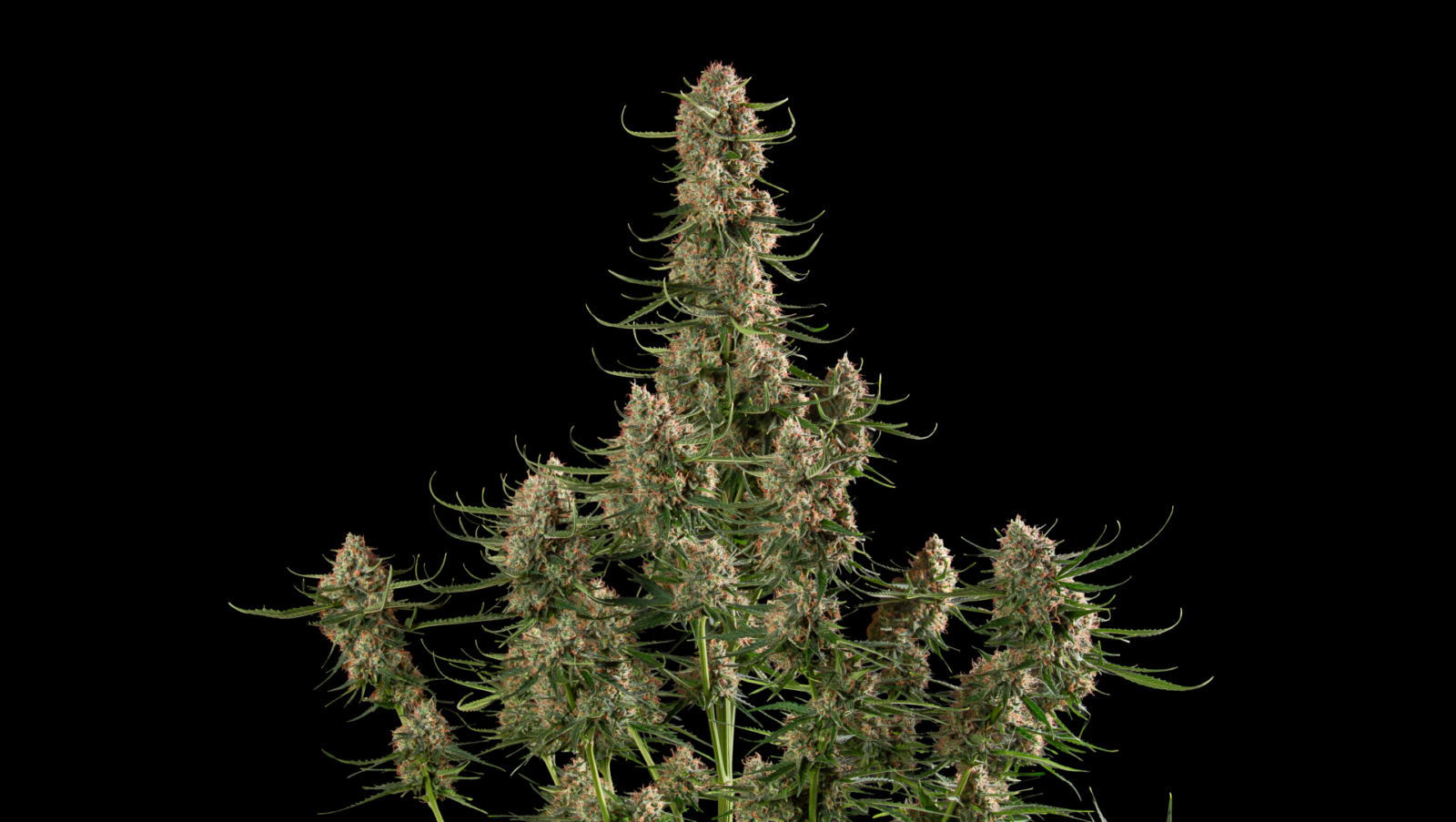
Photo credit: Sagrada Amenesia from Seed Stockers.
Gold Scrolling Footer Ad
reserve your ad here