Gold Header Ad
reserve your ad hereIf you are new to growing cannabis, you will have heard about using coco coir as a growing medium. Coco coir provides an excellent alternative to traditional soil-based growing systems, creating an oxygen-rich environment for root development.
In this article, I will explain all you need to know about using coco coir as a growing medium, the benefits of coco coir, and highlight several reasons why coco coir is an excellent substrate for cannabis cultivation, and why you may want to give it a go for your next harvest!
What Is Coco Coir and Where Does It Come From?
Coco coir originates from the fibrous husk of the coconut. Before it is ready for use in horticulture, the material is thoroughly cleaned, buffered, and processed to remove any salts that are contained within the fibers.
The largest producers of coco coir worldwide include India, Vietnam, Sri Lanka, and Thailand. After processing, coco coir is typically packaged in one of two formats: loose 50L bags of washed and buffered coco coir or the cheaper compressed dry-brick alternative.
- Washed and treated coco coir is ready to use and does not need buffering
- It is a hydroponic medium combined with synthetic nutrients
- Coco coir is a popular choice amongst growers for rooting clones
- Coco coir can be used with soil to create a water-retentive, airy medium
- There are minimal amounts of nutrients present in Coco Coir
Benefits of Using Coco Coir for Cannabis Cultivation
I love using coco coir; it is one of the easiest and most plant-friendly mediums. Below is a list of reasons why using coco coir is beneficial for home growers.
- Encourages large and healthy root development for clones and seedlings
- Coco coir contains high oxygen levels
- Can be mixed with soil, compost, or other organic substrate
- Coco coir-grown crops produce large yields compared to soil-grown crops
- It can hold up to 18 times its weight in water
- Can be reused after harvesting with the help of enzymes
How Is Coco Coir Different from Soil?
Traditional soil contains natural nutrients and minerals that are gradually released as organic matter decomposes. Beneficial microorganisms help break down organic material, making nutrients available to plants over time. Because of this natural nutrient cycle, beginner growers can often achieve good results simply by watering their plants.
This is why growing cannabis using soil is a safe and forgiving method, ideal for beginner growers. Whilst soil requires less maintenance than coco coir, yields are typically lower, and you need to be careful to balance the soil food web and keep the good and bad bacteria well balanced.
- Coco coir does not contain any beneficial microorganisms or fungi
- Soil has a 72-hour buffering period, but coco coir is much quicker
- Coco does not have an earthy smell or be messy to work with
So, What Should My pH Levels Be in Coco Coir?
Maintaining the correct pH is essential when growing in coco. Using a digital pH meter, nutrient solutions should be adjusted to a pH of 5.5-6.5. Within this range, plants can efficiently absorb primary nutrients, secondary elements, and trace minerals. If adjustment is needed, growers can easily correct the nutrient solution using pH-up or pH-down products.
- Nutrient lockout occurs when the pH level is above or below 5.5 -6.5
- Cannabis plants will experience nutrient deficiencies or nutrient burn during lockout
- Using a digital pH pen is the most accurate way to test the pH of your nutrients
- Checking the runoff solution after watering is advised for testing pH shifts
What Does Cation Exchange Capacity Mean?
Cation exchange capacity is a measure of how a growing medium, such as coco coir, can hold positively charged ions. Coco coir has a high cation exchange capacity (CEC). This means it can hold on to and release nutrients such as potassium, calcium, and magnesium. When using coco coir, it is necessary to add secondary nutrients and trace elements.
How To Water Coco Coir
Most growers who use coco coir will combine it with a pump, dripper lines and stakes. Coco coir has excellent drainage and can be watered 2-3 times a day for 15 minutes at a time. For larger grow spaces or commercial operations, dripper systems are highly effective. Dripper stakes can be programmed to water plants multiple times per day, often in short intervals such as 15 minutes.
You can hand-water coco coir; however, it is far more practical and advantageous to use a reservoir with nutrients and operate a drip-to-waste system or recirculate the nutrients back to the reservoir.
My Top Tips When Using Coco Coir
Using coco coir to grow cannabis from seed until harvest can be highly rewarding and allow you to work with a sterile growing medium. Below are my top tips for using coco coir to achieve the best possible results.
Tip #1 – Avoid Compressed Bricks
Whilst the compressed, dry coconut coir bricks are easy to carry around, lightweight, and available at most garden stores, you will need to be careful when using them. They are a cheaper alternative to 50L sacks; however, they often contain high levels of salt and need to be washed and buffered. Avoid using bricks; if you can, get a ready-to-use version.
Tip #2 – Add Perlite
Over the years, I have found that adding perlite to the coco coir not only improves aeration, drainage, and its ability to hold water and nutrients, but also allows you to spread the growing medium even further. Perlite is cheap, lightweight and does not contain any nutrients or salts.
Tip #3 – Re-cycle Your Coco Coir
As long as you can wash the coco thoroughly with enzymes and filter out the roots using a sieve, there is no reason you cannot reuse the coco coir after every harvest. Doing so will help you save money and avoid trips to the local grow store!
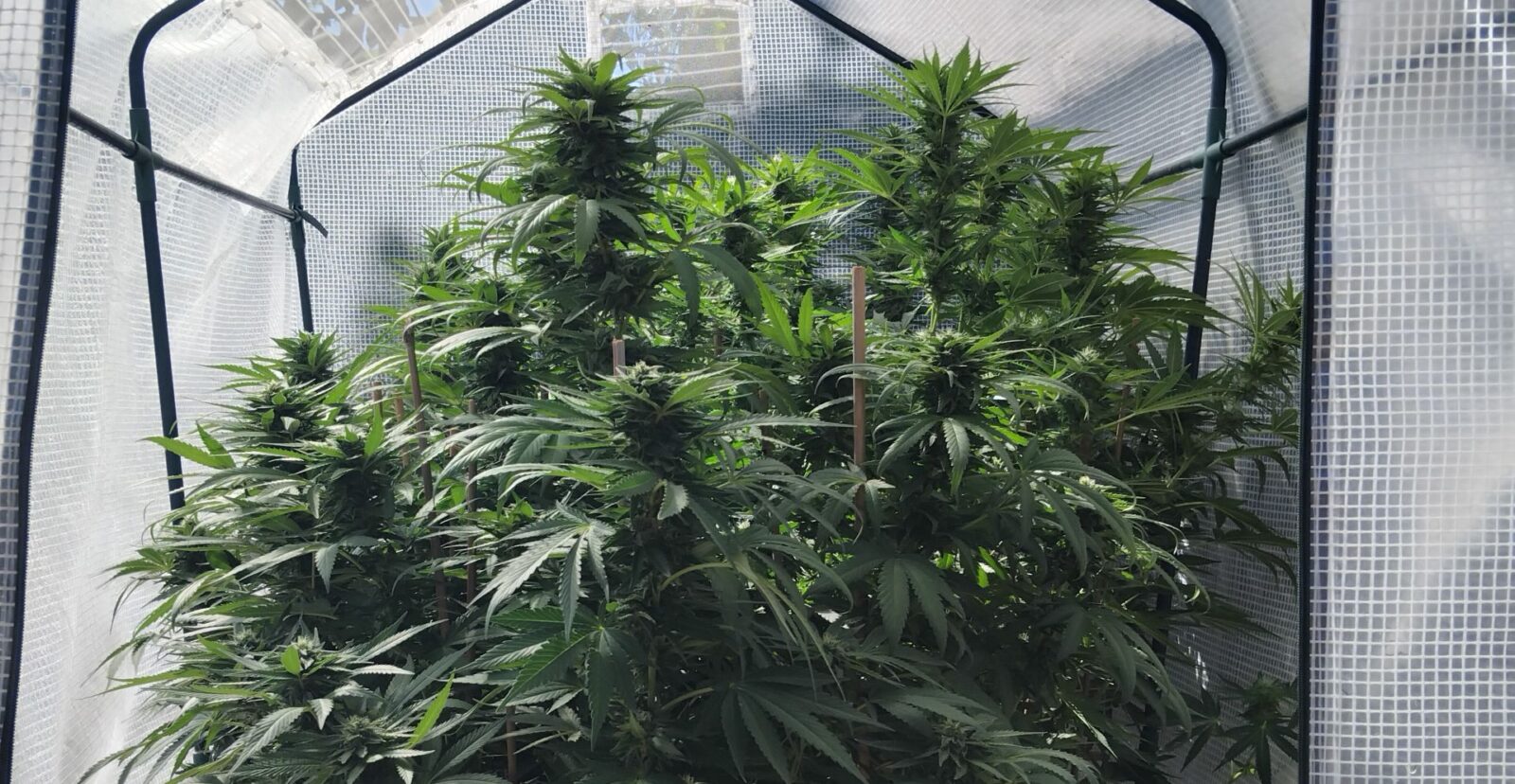
Photo: Plants grown in coco coir are capable of large yields. photo credit: Stoney Tark.