Gold Header Ad
reserve your ad hereCannabis plants are incredibly diverse and can express a wide range of characteristics, even when they originate from the same seed pack. Think of a strain as a genetic pool containing many potential combinations of traits.
The selection process lets growers identify the plants that best express the characteristics they want. In this article, I will explain what phenotypes are, why selection matters, which traits to look for, and what to consider when choosing the best keeper phenos and selecting a future mother plant for cloning.
What Does the Selection Process Mean?
If you have grown Cannabis from seeds or clones and simply taken each plant through the vegetative and flowering stages without making selections, then you may not have experienced the full potential of a genetic line. Selection is essentially the process of identifying individual plants that display the characteristics you value most.
For example, imagine starting with 20 regular seeds. You may end up with approximately half male and half female plants, leaving around 10 females to evaluate. As these plants develop, differences in structure, aroma, flowering time, resin production, yield and other characteristics can become increasingly apparent. Instead of treating every plant as equal, the grower can assess these differences and identify the individuals that stand out.
What Are Cannabis Phenotypes?
A phenotype is the observable expression of a plant’s genetics as influenced by its environment. Plants originating from the same genetic cross can look, smell and perform quite differently. This happens because offspring inherit different combinations of genes from their parents, creating variation among individual plants. A grower will then take clones off each plant to preserve the genetics for a later date, if the plant turns out to be a keeper
So, What Traits Should You Look For?
Before beginning a selection project, it is useful to decide what you actually want to find. Few traits make a plant exceptional. A high-yielding plant may have an average aroma, while a relatively modest producer could have an outstanding terpene profile and exceptional resin production. The ideal keeper is often the plant that provides the best overall combination of traits for your particular goals.
Desirable Traits to Look For
Growing cannabis should not always be about yield, as that can be enhanced using plant training techniques, using under-canopy lighting or simply opting for a hydroponic set-up. If you are selecting phenotypes or have a breeding project in mind, then below are all of the different traits to look out for to help you decide which plants are most suited to your preferences.
Production Level
Overall flower production matters, especially for growers who value productivity. However, consider yield alongside quality rather than treating it as the only selection criterion.
Potency and Effect
The effects produced by the finished flower are highly subjective. Some growers prefer energetic and uplifting experiences, while others may prefer more relaxing or sedating characteristics.
The Growth Structure
A plant’s branching pattern and overall architecture can determine how easily it can be trained and how efficiently it occupies the available growing area.
The Stretching Phase
The flowering stretch can greatly affect a plant’s final size. Understanding how much a phenotype stretches can help you determine whether it suits a particular growing environment.
Flowering Period
The time required to reach maturity can significantly affect a plant’s practicality. A phenotype with excellent quality but a considerably longer flowering period may not suit every growing environment.
Internodal spacing
The distance between nodes influences the overall structure and size of the plant. Shorter spacing can help when vertical space is limited, while wider spacing may suit certain training techniques.
Visual Appearance
Colour, flower structure, trichome coverage, and overall plant appearance can all contribute to a phenotype’s appeal. Nowadays, many growers and consumers are after a specific exotic look, so appearance can play a major role.
Easy to Clone:
A keeper should ideally produce healthy clones that root consistently and establish vigorous growth. Cloning performance can therefore be an important consideration when preserving a phenotype. Cloning autoflowers is not an option due to the fact they will not remain in a vegetative state without flowering automatically.
Resin Production
Heavy trichome coverage can be an attractive characteristic for flower connoisseurs and is particularly relevant when selecting plants for resin-focused applications.
A Great Washer
If you’re evaluating genetics for solventless or other extract production, resin quantity and quality become key selection criteria.
Terpene Profile
Aroma and flavor can be among the most important characteristics when selecting a phenotype. Look for distinctive, complex and appealing combinations of fruity, floral, citrus, earthy, spicy or fuel-like aromas.
Bud-to-leaf ratio
Plants with a high proportion of flowers compared with excess leaf material can be attractive from a production and processing perspective. Many modern genetics produce a dense, stacked bud structure that has become the norm.
Resilience
Some plants tolerate environmental fluctuations better than others. Vigorous, resilient plants can be particularly valuable when selecting genetics for challenging growing conditions.
Why Careful Selection Is Key
Selection gives growers the opportunity to move beyond simply growing a strain and instead identify the individual plants that best meet their objectives. Two plants from the same pack can have very different characteristics. By evaluating multiple individuals, you can discover which expressions best suit your preferences and growing environment.
Once an exceptional phenotype has been identified, it can potentially be preserved through cloning and maintained as a consistent genetic line. For breeders, this process matters even more because selection helps establish the traits carried into future generations.
My Final Thoughts
Phenotype selection is one of the most fascinating aspects of working with Cannabis genetics. Even plants from the same seed line can express dramatically different characteristics, giving growers the opportunity to discover unique combinations of traits.
The key is to look beyond yield alone. Aroma, flavor, effects, resin production, flowering time, plant structure, resilience and cloning performance can all contribute to making a phenotype worth preserving.
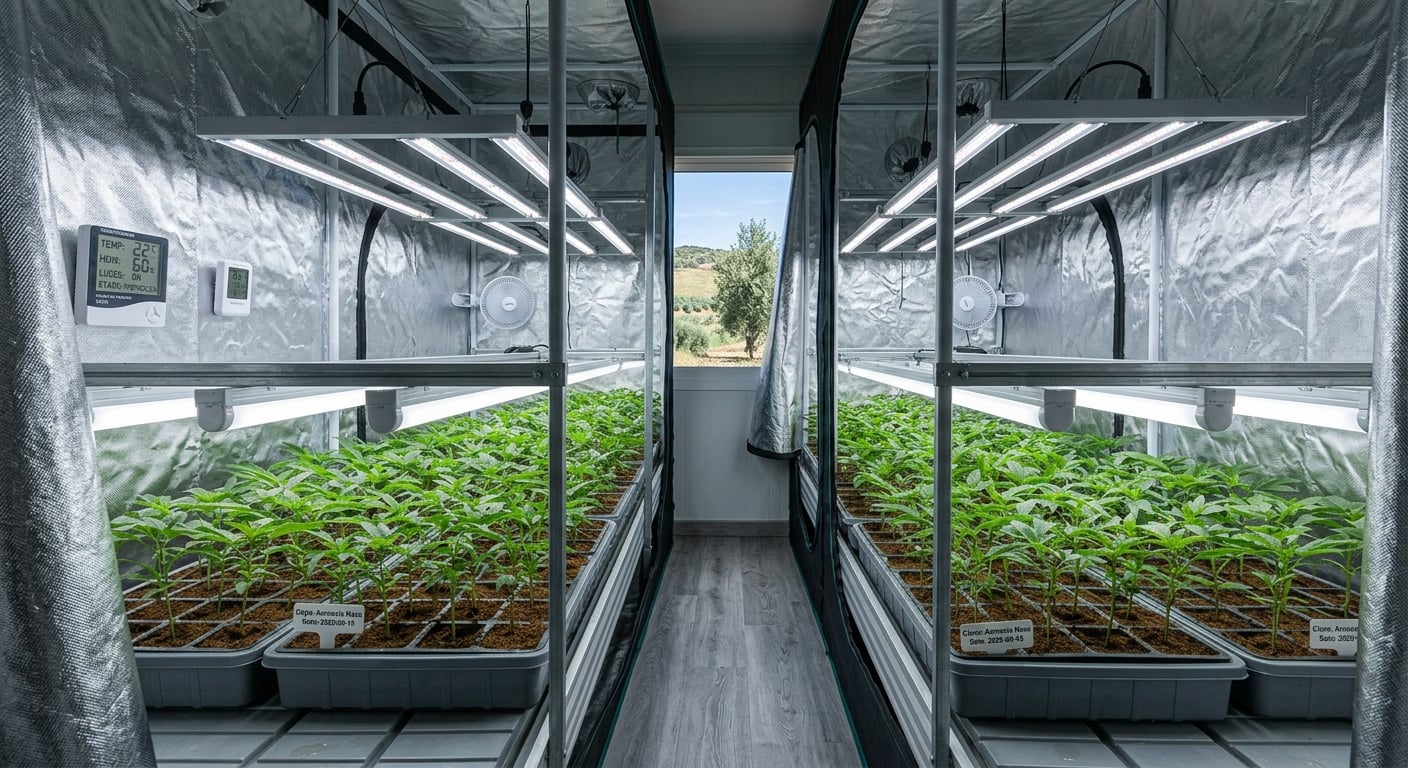
Feature photo: This grower will choose the best plants from this population of seedlings.