Gold Header Ad
reserve your ad hereGrowing cannabis indoors can be incredibly rewarding, but producing high-quality flowers consistently requires attention to detail. Many first-time growers make avoidable mistakes that reduce yields, affect potency, or compromise the quality of the final harvest.
This article covers the most common beginner mistakes when first starting off and how to avoid these mistakes from happening in the future!
Overwatering Your Plants
Overwatering is one of the most common mistakes made by beginner growers. Constantly saturated growing media limits oxygen around the roots and can eventually lead to root diseases, nutrient deficiencies, and poor plant growth. Allow the growing medium to dry slightly between waterings and ensure your pots provide excellent drainage.
Drying Too Quickly
Rushing the drying process is a common beginner mistake. High temperatures or fans blowing directly onto flowers cause buds to dry too fast, trapping chlorophyll and reducing flavour. Slow, controlled drying preserves terpenes and produces smoother, better-tasting flowers.
Mixing Nutrients Incorrectly
Proper nutrient preparation improves nutrient availability and prevents uneven feeding. Instead of adding nutrients to a bottle and shaking vigorously, mix them thoroughly in a bucket using clean water. Stir well, allow the solution to rest for several minutes, then mix again before feeding your plants. This helps create a balanced nutrient solution that roots can absorb more efficiently.
Temperatures Too Low
Stable temperatures are essential for healthy growth. Aim for approximately 24°C while the lights are on and 18–20°C during the dark period. A digital hygrometer makes it easy to monitor both temperature and humidity, allowing you to make adjustments before environmental stress affects plant development.
Feeding Too Many Nutrients
More nutrients do not automatically produce larger harvests. Overfeeding often causes nutrient burn, salt buildup, and plant stress. Follow your nutrient manufacturer’s feeding schedule or alternate between nutrient feedings and plain water to avoid excessive nutrient accumulation.
Harvesting Too Early
Patience is one of the most valuable skills an indoor grower can develop. Harvesting before flowers have fully matured reduces yield, terpene development, and cannabinoid production. Waiting until plants reach peak maturity rewards growers with improved potency, aroma, and overall quality.
Allowing Buds to Touch Tent Walls
As flowers become heavier, branches may lean into the sides of your grow tent. Buds touching walls are more susceptible to moisture buildup and mold. Installing bamboo stakes or plant supports around week four of flowering helps keep branches upright and flowers safely separated.
Overcrowding the Grow Space
Too many plants, or plants that have become too large, will restrict airflow and reduce light penetration. Crowded canopies create ideal conditions for mold, powdery mildew, and other fungal diseases while making maintenance much more difficult. Proper spacing improves airflow and helps every plant receive adequate light.
Excessive Stretching
Most cannabis plants stretch during the first three weeks after switching to 12/12. Excessive stretching can result from cool nighttime temperatures or grow lights positioned too far above the canopy. Keeping environmental conditions stable and adjusting light height can help maintain compact growth. Autoflower cannabis seeds are better for growers who want short, stocky plants.
Poor Air Circulation
Healthy airflow is one of the best defenses against mold and mildew. Oscillating fans combined with an efficient extraction system constantly replace stale air with fresh air, helping regulate humidity and strengthen plant structure throughout flowering.
Maintaining Humidity That Is Too Low
Young cannabis plants thrive in warm, humid conditions similar to springtime. During the vegetative stage, relative humidity should ideally remain between 60% and 80%, and reduced to 45-50% for bloom. Low humidity can slow growth, reduce leaf development, and place unnecessary stress on young plants.
Growing Too Close to the Lights
Plants that stretch excessively may grow dangerously close to grow lights. When flowers receive too much light and experience heat stress, they can become dry, bleached, or suffer permanent damage. Monitor canopy height regularly and adjust either the lights or plant training techniques to maintain a safe distance.
Root Bound Pots

As plants grow, their root systems expand rapidly. If roots completely fill the container, growth slows as they compete for limited space, water, and oxygen. Transplanting into larger pots before plants become root-bound encourages stronger growth and healthier root development.
Moldy Flowers
Finding mold during harvest is disappointing, but affected buds should never be consumed or processed into concentrates. Mold often spreads beyond what is immediately visible, making contaminated flowers unsafe to keep.
Drying Without a Carbon Filter
Drying cannabis produces a strong aroma that can quickly spread throughout a home. A properly ventilated drying space equipped with a carbon filter helps control odors while maintaining suitable drying conditions.
Side Branches
Large flowers can become surprisingly heavy, causing branches to bend or collapse. While heavy buds usually indicate a productive harvest, unsupported branches can cause flowers to press against each other, increasing the risk of mold. Plant supports, trellis netting, or bamboo stakes provide the necessary support during late flowering.
Skipping the Final Flush
Many growers choose to feed only plain water during the final two weeks before harvest. This process encourages plants to use stored nutrients while many growers believe it contributes to a cleaner, smoother smoking experience. Continuing heavy nutrient feeding until harvest may result in flowers that taste harsher.
My Final Thoughts
Every grower learns through experience, but understanding these common mistakes can save significant time, money, and frustration. Paying close attention to environmental conditions, watering practices, nutrition, airflow, and post-harvest handling will dramatically improve the quality of each harvest.
Indoor cultivation is a skill that develops with every grow. By avoiding these beginner pitfalls and refining your techniques over time, you’ll be well on your way to producing healthier plants and consistently high-quality flowers. Good Luck!
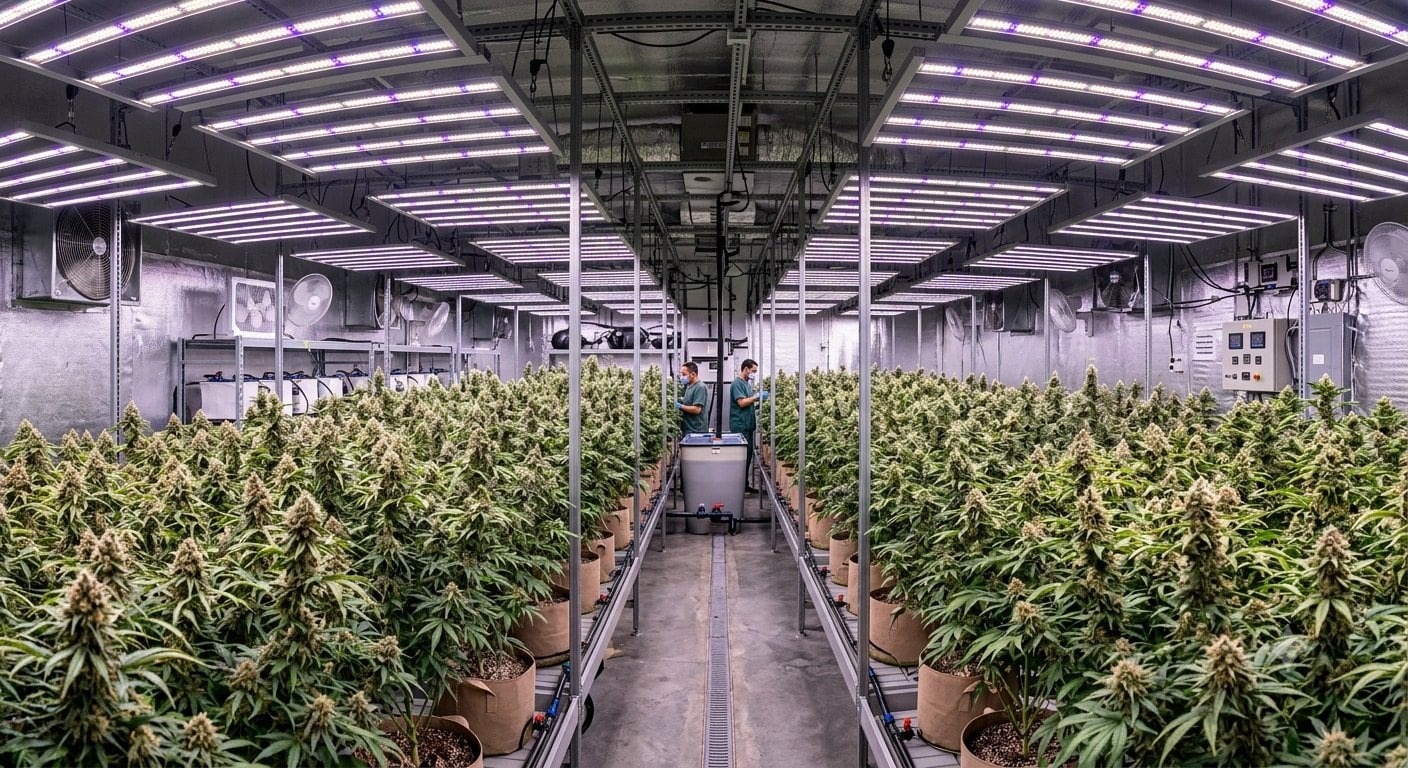
Feature image: A professional scale grow operation that cannot afford to make mistakes.