Gold Header Ad
reserve your ad hereSome messages stop you in your tracks. Messages that arrive so unexpectedly, so perfectly timed against years of quiet resignation, that you read them twice just to make sure you haven’t imagined them.
“Would you like your Casey Jones cut back?”
Thirteen years. Thirteen years of asking around, of following dead ends, of eventually accepting that she was gone. And then, out of nowhere, those words changed everything. But to understand why that message meant what it meant, you need to go back to the beginning.
I started growing the way most people did — working with whatever seeds were available locally, learning the craft with what I had. I was dedicated, but I was limited by geography. And then I discovered the internet. More specifically, I discovered Overgrow.com, and everything changed. Suddenly I had access to a global community of growers and breeders, and more importantly, I had access to American genetics — and I became absolutely obsessed. I spent years trawling through those forums, absorbing everything I could. When Overgrow eventually fell, IC Mag rose to take its place, and with it came something special.
— A yearly 420 Cup held in Amsterdam that brought the online community into the real world.
Those cups were something else entirely. Cannabis people from across the globe, converging on Amsterdam, united by a shared passion that most of the world still didn’t understand. It was at one of those cups that I met a breeder from America who went by the name Head Seeds. Head Seeds was a Deadhead — a devoted follower of the Grateful Dead — and a large number of their strain catalogue carried Grateful Dead references woven into the names. It was through that shared love of cannabis culture and genetics that we became friends. And it was Head Seeds who gifted me seeds from a strain they had bred called Casey Jones — named after the iconic Grateful Dead song about a train conductor and a famous crash. A strain named after a song about someone riding that train high on cocaine. There was poetry in that, even then.
By the time those seeds were in my hands, I’d been growing for almost seven years. I’d attended several IC Mag cups as a visitor, watching others compete, knowing I wasn’t quite ready. But something about those Casey Jones seeds felt different. I grew them out with the same care and attention I gave everything, but what came back stopped me in my tracks. I found two keepers, and one of them was something I had never encountered before.
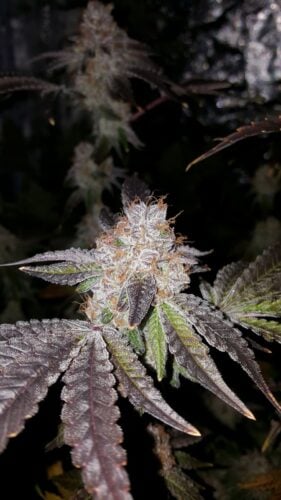
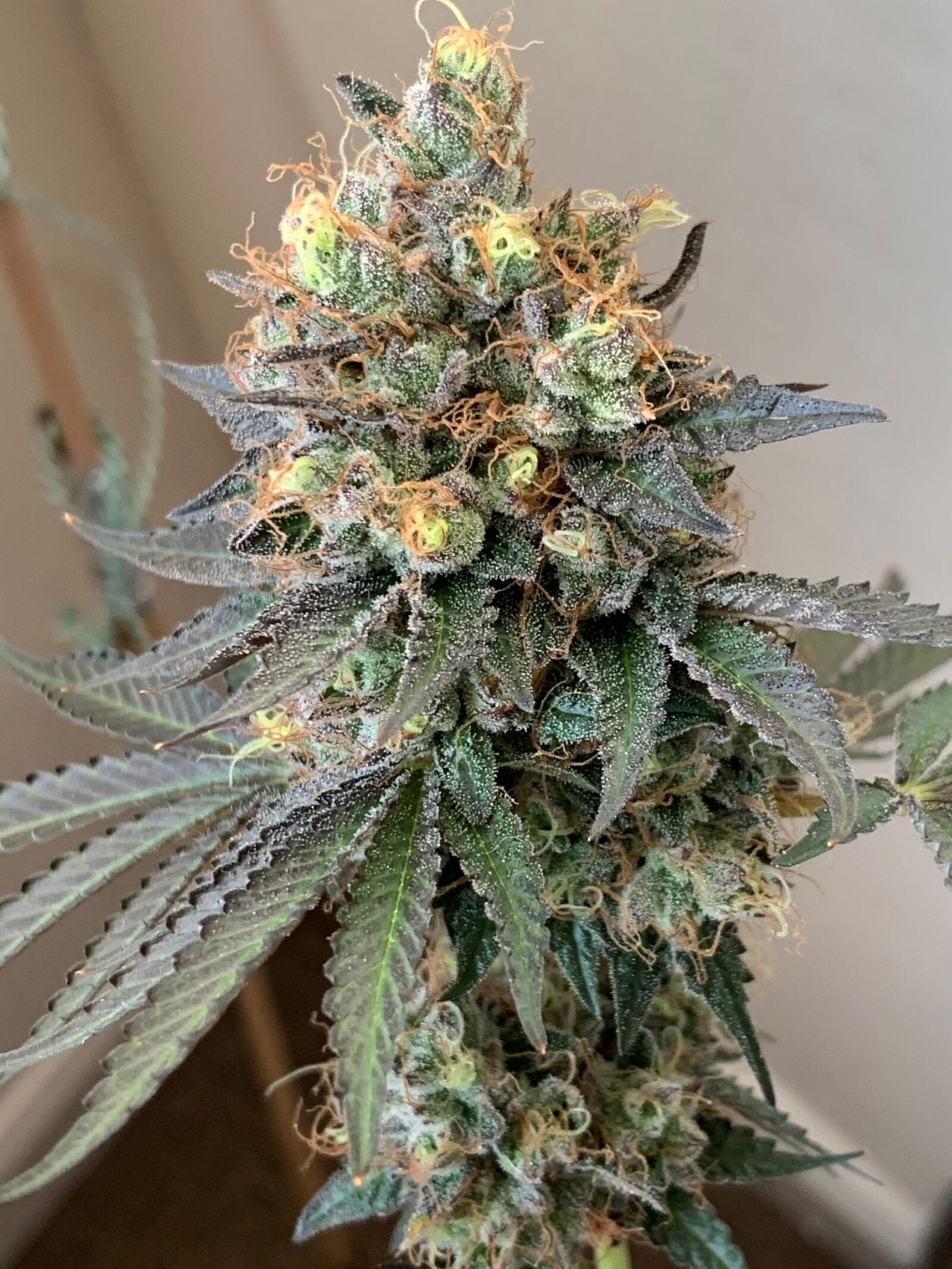
The flavor was extraordinary — coffee, chocolate, cacao, fuel and berries, all coated across the mouth in a way that lingered long after the smoke had cleared. The room would fill with her presence the moment you opened the jar. But it was the effect that truly set her apart.
Uplifting, energetic, euphoric — a feeling of pure wellness without a trace of the anxiety or raciness that can come with powerful sativas. She was the kind of high that made you feel alive. I spent time dialing in her finish, running her at multiple intervals until I found her sweet spot — sixty-three days. Nine weeks. That was where she peaked.
After years of attending as a spectator, I entered my Casey Jones keeper into the 2007 IC Mag Cup in Amsterdam. And I came away with second place. For a first competition entry, with a strain I had grown from gifted seeds, it was a moment I’ll never forget.
And it was the moment the world started paying attention to her.
Word spread fast in those circles. People fell in love with the cut, and she began moving — through friends, through the network, through the invisible channels that connected the cannabis community across borders. Eventually she made her way to Amsterdam, and what happened next still amazes me when I think about it.
She took the coffee shop scene by storm.
Through the mid-2000s, Casey Jones became one of the most recognizable and requested strains across Amsterdam’s coffee shops. Other breeders began working with her. Coffee shops kept her as a menu staple. And the reason was simple — she gave people exactly what Amsterdam demanded. Nobody visiting that city wants to be melted into a corner of a coffee shop at two in the afternoon, day finished before it started. Casey Jones kept you alive. She had you buzzing through the streets, high as a kite, euphoric and energized, having the time of your life. That effect was her superpower, and Amsterdam knew it.
Not everyone did her justice. As her reputation grew, commercial growers got their hands on her, and she wasn’t always grown to the standard she deserved. But even then, even without the full care and attention her finish requires, she held her own.
That speaks to the quality of the genetics underneath.
It was when I stepped fully into breeding that I began to understand just how exceptional she truly was. Casey Jones didn’t just smoke beautifully — she bred beautifully. She reversed successfully and consistently, which isn’t something you can say about every cut. But more than that, what she passed on to her offspring was remarkable. Yields increased. Plant structure improved — stronger branches, built to handle the extra weight she contributed.
And her terpene signature carried through — that earthy, musky, fuel-laced backbone threaded with chocolate, cacao, coffee and berries. She didn’t just contribute genetics. She elevated everything she touched.
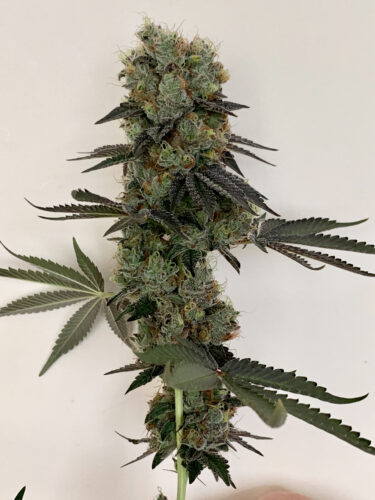
I worked with her across multiple projects during those years, and she proved herself every single time. And then, through the circumstances that life sometimes delivers without warning, I lost her. The cut was gone. And so was I, for a time. When I was able, and back again, the search began.
For years I asked around. Every connection, every conversation — had anyone seen her? Did anyone still have her? Slowly, hope faded. Thirteen years passed. I made my peace with it.
And then the message arrived.
The person who reached out was part of a crew called FUCKEM Crew — a collective spread throughout America, connected by their shared love of the plant and the online forum culture of the early 2000s. What this crew has done for cannabis genetic preservation, and the spread of elite genetics across the world, cannot be overstated. The scale of it, the dedication behind it — so vast and of such magnitude that legendary status is not just deserved, it is the only accurate description. Without people like them, cuts like this one simply disappear forever. I am living proof of what their work means.
When I read that message, my first reaction wasn’t joy. It was. Back in the forum days, Casey Jones had two notable cuts in circulation — the Joe Schmo cut, which had become the definitive US cut, and mine, known in those circles as the TrueCannabliss cut, which had become the definitive EU cut. Both had travelled in opposite directions across the Atlantic, each making their mark on their respective scenes. When I heard someone had a Casey Jones cut stateside, my immediate assumption was that it would be Joe Schmo’s — a legendary cut in its own right, from a legendary man. RIP Joe Schmo, who passed away recently — a genuine loss to this community and to everyone who knew him. It took the chain of possession being laid out clearly in front of me to convince me otherwise. A traceable line confirming the cut had moved from a previous business partner of mine, back across the
pond, and into the hands of people who had kept her alive. It was the TrueCannabliss cut. It was her. It was genuinely, impossibly her.

Getting reacquainted with Casey Jones after thirteen years apart has been one of the most rewarding experiences of my breeding career. She hadn’t lost a thing. Every quality I remembered was still there, waiting. And over the last couple of years, those reversal projects have led me to where I am now.
The new Casey Jones hybrid line launches alongside the TerpLife Trading Card Series, and it represents everything she is — potent, aromatic, full of flavor and impossible not to fall in love with. Alongside feminized S1s of the Casey Jones herself, I’ve crossed her to eight carefully selected strains to create six hybrids and two very special collaborations.
The main six are: Cheddarhead (CheeseDog #7 × Casey Jones), bringing together two fuel-heavy, pungent powerhouses; Snowberry (Suga Cookies #9 × Casey Jones), a hash maker’s dream where her chemberry notes meet cookie sweetness; Velvet Express (SR71
Purple Kush × Casey Jones), bringing flavor best described as purple goodness; Retro Funk (‘92 OG × Casey Jones), old school California gas gets bulked up with weight and flavor; Sherberry Blizzard (Sherbanger 22 × Casey Jones), rich and complex terps colliding at full force; and Gas-Tank (Comeback Kush #77 × Casey Jones), two of my most prized cuts combined into one.
Then there are the collaborations. PoZilla (Triangle Kush/Terpzilla × Casey Jones) was created with CaliPo — a pairing that brings tropical fruit gas with Casey’s unique flavors. Purp-O-Loco (GDP × Casey Jones) was born from a collaboration with Ken from Granddaddy Purp Seeds himself — a crossing of two genuine legends of the game: GDP and Casey Jones.
Some strains are just strains. And then there are cuts like this one, strains that carry history, that build culture, that survive against all odds and find their way back to you across thirteen years and half the world.
Casey Jones is one of those cuts. She conquered Amsterdam, she outlasted a lot of things, and now she’s back — better than ever and just getting started.
Her story is far from over.
Feature photo: Cheddar Valley Strain, courtesy of Truecanna Genetics.