Gold Header Ad
reserve your ad hereOutdoor cannabis can produce an abundance of aromatic, resin-rich flowers, making the end of the growing season an interesting time for people interested in traditional cannabis concentrates. Hash, or hashish, has a long history across cannabis-growing regions and can be produced using several different approaches.
The basic principle behind most traditional hash-making methods is relatively simple: separate the resin-rich trichomes from the plant material and collect them into a concentrated form. The techniques used to achieve this vary considerably, ranging from traditional dry-sieving methods to water-based separation and modern solventless techniques.
Hash and Rosin…Which Is Best?
I absolutely love making hash and enjoy trying out the different methods such as dry sift and bubble hash. If you are planning to wash your entire outdoor crop this year to produce a big block of full melt goddess, no matter if you are harvesting autoflower cannabis or photoperiods then below are the different options and an explanation of each.
- Traditional Dry-Sift Hash
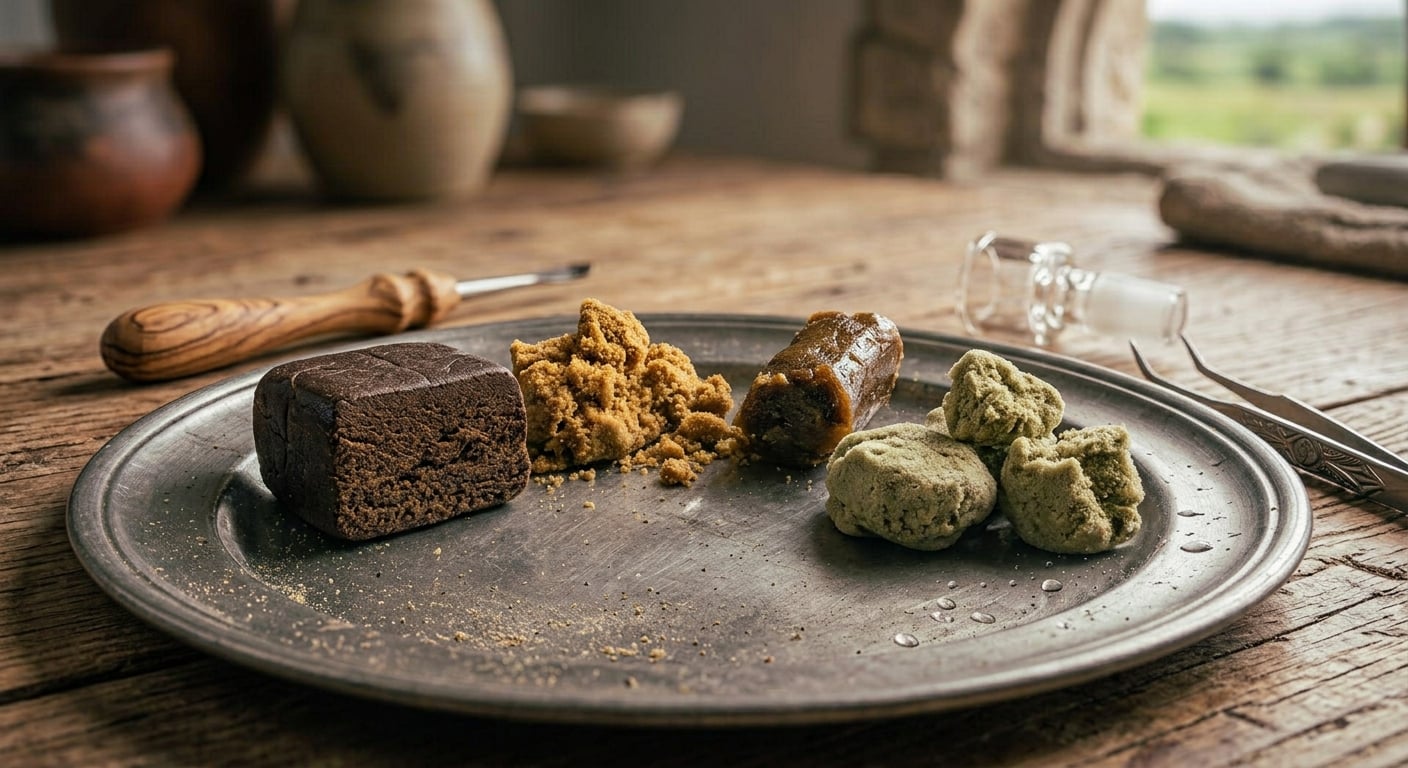
One of the best-known traditional approaches is dry sifting. As the name suggests, this method separates resin glands from plant material through mechanical agitation and screening. The resulting resin-rich material can then be collected and compressed into hash.
Dry sift is particularly interesting because it does not require water or chemical solvents. It also provides a relatively direct way of observing the quality of the collected resin.The quality of dry-sift hash can vary considerably. Cleaner material contains a greater proportion of resin glands and less unwanted plant material, while lower-grade material can contain significantly more plant matter.
Traditional dry-sift hash remains popular because of its simplicity and its connection to some of the world’s historic hash-producing traditions.
- Ice-Water Hash
Another major category is ice-water hash, sometimes referred to as bubble hash.
Instead of relying primarily on dry mechanical separation, this approach uses cold water and agitation to separate trichomes from the plant material. Screens or filter bags are then used to separate particles according to size.
One of the attractions of this method is the ability to produce different grades of material based on the size and quality of the collected resin glands. Ice-water hash can also preserve a significant amount of the original plant’s aromatic character when the starting material is particularly resinous and well preserved.
However, water-based extraction introduces additional considerations around cleanliness, separation and drying. Proper handling is important because residual moisture can create quality and safety problems.
- Fresh-Frozen Cannabis and Modern Hash
A more modern development in solventless hash production is the use of fresh-frozen cannabis. Instead of allowing harvested flowers to undergo a conventional drying process first, the plant material is preserved in a frozen state. The objective is to retain more of the volatile compounds present in freshly harvested cannabis.
Fresh-frozen material is commonly associated with premium solventless products, particularly varieties of ice-water hash and rosin. This approach has become increasingly popular because terpene preservation is an important consideration for many concentrate enthusiasts. The resulting products can have a distinctly fresh aromatic profile compared with hash produced from traditionally dried material.
- Rosin and Hash Rosin
Rosin is another solventless category, although it differs from traditional hash because heat and pressure are used to release resin. Hash rosin takes this concept further by pressing previously separated resin rather than pressing whole flowers.
The attraction of rosin-based products is that they do not require hydrocarbon or other chemical solvents. Instead, the process relies on physical separation and controlled pressure. Hash rosin is often regarded as a premium concentrate because it can combine a high concentration of resin with a strong preservation of flavour and aroma.
The quality of the final product is heavily influenced by the quality of the starting resin. Exceptional hash does not automatically come from average-quality cannabis simply because it is subsequently pressed.
So, Which Method Produces the Best Hash?
There is no single method that produces the best hash in every situation. Different techniques produce different characteristics, and preferences vary considerably between consumers and traditional hash-making cultures. Below highlight the most important questions to be asking when deciding which method is most practical for you.
- Aroma: How expressive and complex is the terpene profile?
- Purity: How much plant material is present alongside the resin?
- Texture: Is the finished product sandy, sticky, oily, firm or pliable?
- Colour: Does the appearance reflect the quality and age of the material?
- Resin quality: Are the trichomes intact and mature?
- Flavour: Does the finished product retain the character of the original plant?
- Consistency: Does the material remain stable during storage?
Choosing Outdoor Cannabis for Hash
For growers specifically interested in producing hash, selection begins long before harvest. Some plants naturally produce considerably more resin than others, so keeping notes during the growing season can help identify promising genetics.
Aroma is another important consideration when making homemade hash because a plant with an exceptional terpene profile may produce particularly interesting concentrate. Outdoor growers should also pay close attention to plant health. Cannabis intended for any form of concentrate should be free from mould, rot and other contamination. This is especially important with outdoor crops because changing weather conditions can increase the risk of moisture-related problems towards the end of the season.
Storing and Preserving Hash
Once hash has been produced, storage becomes an important part of preserving its characteristics. Light, heat, oxygen and moisture can all contribute to changes in cannabis products over time.
Excessive heat can affect texture and aroma, while inappropriate moisture levels can create opportunities for microbial growth. Good storage is particularly important for aromatic products because the compounds responsible for much of the distinctive smell and flavour can gradually change over time.
- Keep hash away from excessive heat and direct light.
- Use clean, appropriate storage containers.
- Minimise unnecessary exposure to air.
- Avoid introducing moisture.
- Keep different varieties or batches clearly separated.
My Final Thoughts
Hash-making has evolved from traditional hand-processing and dry-sieving techniques into a broad range of modern solventless approaches. Outdoor cannabis can provide an excellent starting point because a productive harvest may offer large quantities of resin-rich material and a diverse range of aromas.
Dry sift, ice-water hash, fresh-frozen techniques, rosin and hash rosin all represent different approaches to concentrating the resin produced by the cannabis plant. Ultimately, the quality of the finished product begins with the plant itself. Genetics, resin production, maturity, aroma, plant health and careful post-harvest handling all influence the characteristics of the final concentrate!
Gold Scrolling Footer Ad
reserve your ad here