Gold Header Ad
reserve your ad hereGold Header Ad
reserve your ad hereIn Europe, smoking hash is a very popular way to smoke cannabis, with many growers making their own hash at home. Once you have made your own hash, it is a great feeling and can lead to some of the tastiest and most potent smoke possible.
If you’ve ever sat trimming your cannabis plants and wondered what to do with all the leftover material, you’re not alone. In this article, I will talk you through the art of hash making, explaining what you need, the different types of hashes, as well as my top tips to help you on your way to becoming a top-quality hash maker.
Where In The World Is Hash Produced?
You may have encountered a variety of traditional hashes whilst visiting Europe, especially in Amsterdam and Barcelona. Hash can generally be separated into two main categories: water hash and dry sift, and the way it’s produced varies depending on where you are in the world. Below is a list of parts of the world where a smoker can get their hands on some hash.
- Afghanistan
- Pakistan
- India
- Nepal
- Morocco
- Lebanon
What Is The Best Material for Making Hash?
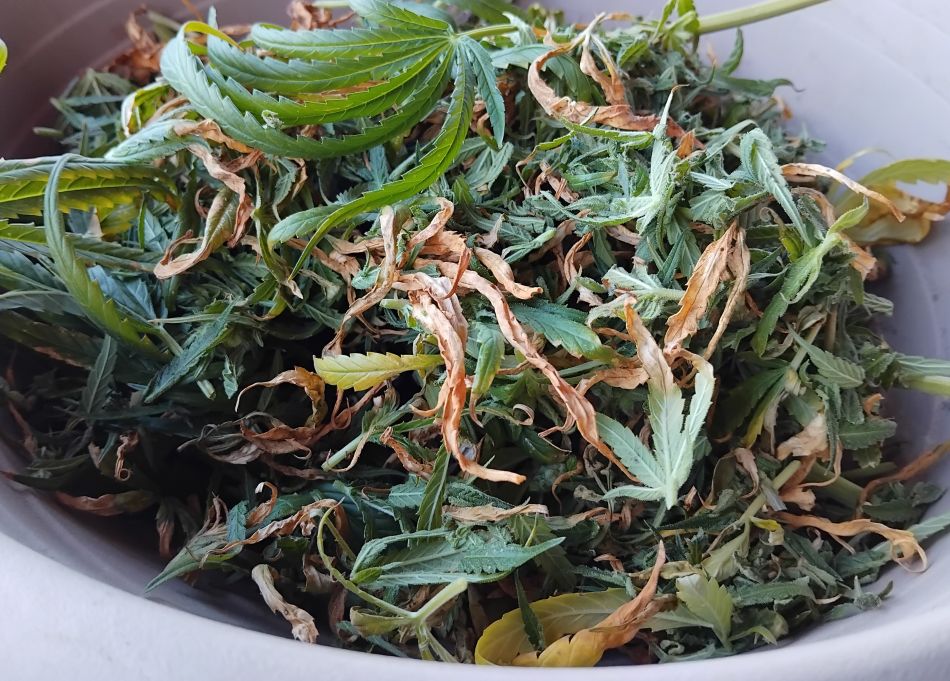
Before you begin your journey into hash making, you’ll need to understand what counts as quality starting material. Many growers toss out the leaves and underdeveloped buds, but others make sure every resin-covered part of the plant is put to good use.
Cannabis trim refers to the leaves removed from the plant during wet or dry trimming during the harvesting stage. With good genetics, you’ll notice that resin can cover the smaller leaves and, in some cases, even the large fan leaves, causing them to curl inwards with resin rails or resin tacos!
The lower buds beneath the canopy are often included in the trim. These smaller flowers don’t receive as much light. They are usually less desirable for smoking, but they contain plenty of trichomes. In short, cannabis trim includes any plant material with trichomes, from sugar leaves to popcorn buds.
- Hash can be made from any plant material that contains trichomes.
- Smaller leaves closest to the buds are often the best-quality material.
- Small-sized buds that often take longer to trim can be added to the trim bin.
- Fan leaves with trichomes on the edges can be used to make hash.
- Avoid using any contaminated buds that contain mould.
- Do not use any leaves that show signs of powdery mildew.
What Are The Different Types of Hash That Can Be Made At Home?
All you need to know to become a hash maker is how to separate the trichomes from the plant material. You can make hash from photoperiod, autoflowering, regular, or feminised cannabis seeds, as long as you have frosty buds and leaves!
This can be done using water and micron-filtered bags, or by sifting dry material with screens. Below is a list of the different types of hash that you should consider making.
The Dry Sift Method Using Screens
If water hash sounds like too much effort, dry sifting is a simpler alternative that can still yield exceptional results. This method involves rubbing or shaking dry plant material over a fine mesh screen.
Similar to bubble bags, screens with different microns (such as 220 or 180 for cleanup, and 120, 90, and 73 for complete melt) allow you to separate resin heads from plant matter. Moroccan hash is a prime example of a product made by dry-sifting with screens and dry plant material.
- Plant material must be dehydrated for maximum returns.
- Yields are typically higher than with water hash.
- Requires minimal equipment—just screens and a workspace.
- Great for making rosin quickly and efficiently.
- Cold working conditions help the resin separate more easily.
- Terpenes remain in the hash rather than being washed away.
- Dust and airborne debris can contaminate the sift.
Water Hash Using Bubble Bags
Bubble hash has been made for centuries, and like any craft, it can be done with highly refined techniques. When plant material is agitated in cold water, the trichomes break off and are collected through filtration bags, commonly called bubble bags. The bags will be different micron-sized screens, similar to the dry sift screens, ranging from 25 microns up to 220 microns.
- Bubble bags filter out plant material and separate trichomes by size.
- Large batches can be processed at once.
- The most desirable “full melt” grades often come from the 73–90 micron bags.
- Some terpenes can be lost to the wash water.
- Ice and cold temperatures are essential for the best yield and quality.
- Water hash—especially Ice-O-Lator—produces a very potent product.
- Material can be used fresh, frozen, or dried.
My Top Tips for Making Hash
Tip #1: Always Use Clean Bags or Sifting Screens
Using clean, sterile bubble bags or sifting screens is essential when making hash at home. My tip here is to buy them brand-new online and keep them as clean as possible between hash runs.
Tip #2: Freeze-Dry Plant Material Before Making
Freezing-drying the trim for 24-48 hours will make the separation process easier when making dry sift. The trim will feel more brittle, making the trichomes more easily agitated and more likely to fall through the screens.
Tip #3: Pressing The Hash After
Once you have dried out the bubble hash or have a pile of dry sift, pressing it together afterwards using a glass jar filled with boiling water takes the hash to a different level. The consistency becomes stickier, darker, and shinier, and many will agree that it improves the taste.
Tip #4: 73 – 90 Microns Is The Best Quality
If you want full-melt hash, aim to keep the 73-90 micron fraction separate. This will produce the ultimate grade you are looking for. I do enjoy smoking 120 – 150 micron hash; however, the full melt cup entry gear will often be between 73 – 90 microns.
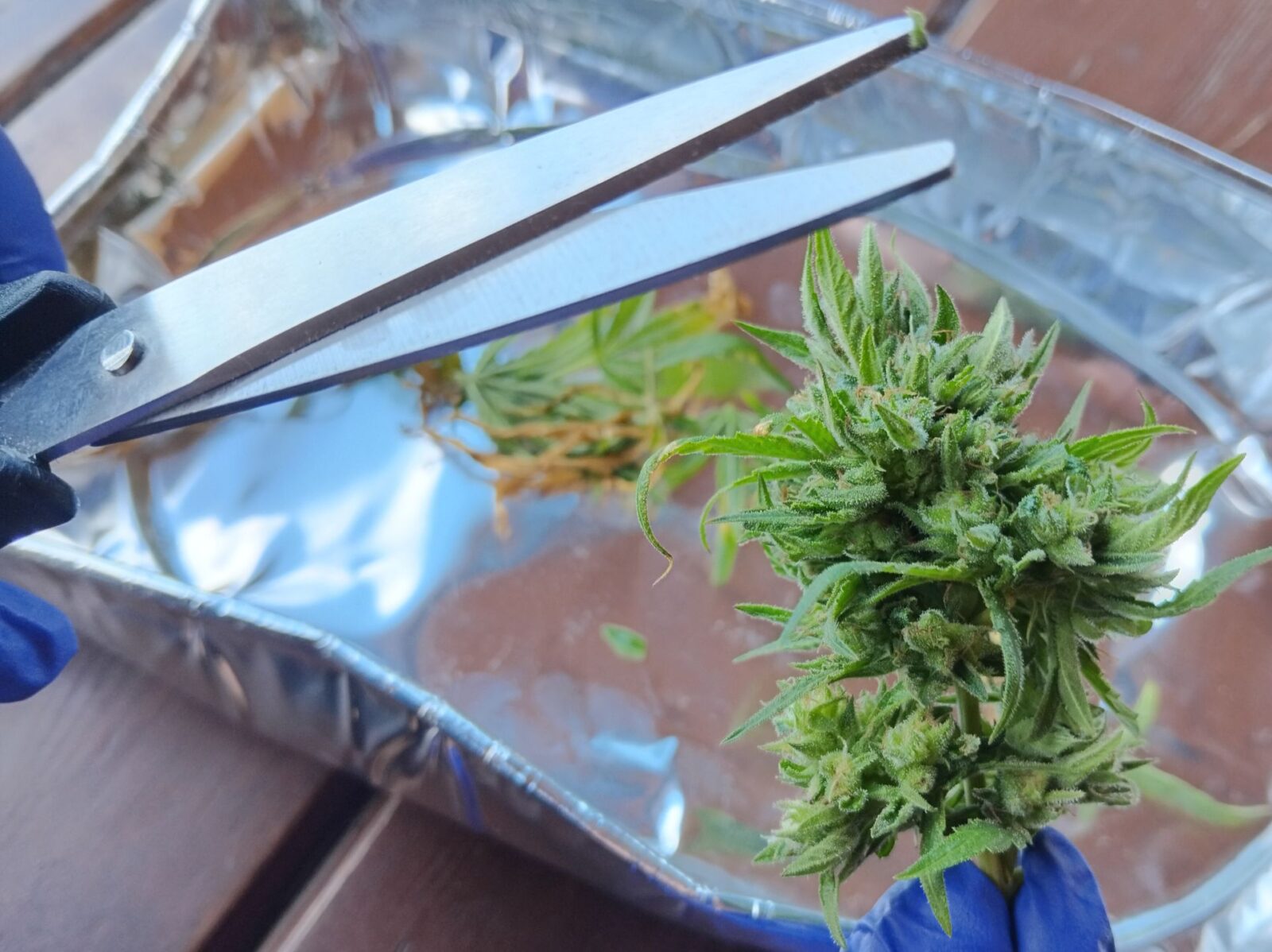
Feature photo: This grower will save all of the leaves containing trichomes.
All photos credit: Stoney Tark
Gold Scrolling Footer Ad
reserve your ad here