Gold Header Ad
reserve your ad hereGrowing cannabis outdoors is one of the most rewarding experiences for any cultivator. As your plants begin producing their first pre-flowers, they are entering the flowering stage, the period when buds begin to develop and your months of hard work start paying off. Proper care during this phase is crucial, as small mistakes can affect both yield and quality. Here are my tips to help your outdoor cannabis plants thrive throughout the flowering season!
Inoculate Your Growing Medium
Adding beneficial fungi and bacteria to your soil creates a healthier root environment throughout flowering. Commercial inoculants can be applied directly to the soil or brewed into an aerated microbial tea. Healthy microbial populations improve nutrient cycling, increase root efficiency, and support stronger overall plant growth.
- Introduce beneficial microbes regularly.
- Apply as a top dressing or compost tea.
- Encourage healthier roots and nutrient uptake.
Watch for Nutrient Burn
Flowering plants require increased phosphorus and potassium, but excessive feeding can quickly lead to nutrient burn. Signs include burnt leaf tips, dark green foliage and nutrient lockout. If this occurs, check your pH levels and flush the growing medium with clean water to remove excess salts before resuming a lighter feeding schedule.
- Monitor plants for burnt leaf tips.
- Check pH to avoid nutrient lockout.
- Flush excess nutrients if overfeeding occurs.
Stop High-Stress Plant Training
Once flowering begins, cannabis plants should focus their energy on bud production rather than recovering from stress. Avoid topping, super cropping and other high-stress training methods during bloom. Light pruning and selective defoliation can still improve airflow and light penetration when done carefully.
- Complete major training during vegetation.
- Avoid stressing plants during flowering.
- Use only light pruning if necessary.
Prevent Light Pollution at Night
Flowering cannabis depends on uninterrupted darkness. Artificial light sources such as garden lights, street lamps, security lights or passing vehicle headlights can interrupt the flowering cycle. Repeated light exposure during the dark period may stress plants and increase the likelihood of hermaphroditism, where plants develop both male and female flowers. This can lead to unwanted pollination and seeded buds.
- Ensure complete darkness during nighttime.
- Eliminate nearby artificial light sources where possible.
- Prevent stress that could affect flower quality.
Water During the Coolest Parts of the Day
Timing your watering schedule can make a significant difference to plant health. Watering during the hottest hours of the day causes moisture to evaporate quickly, reducing water uptake and increasing plant stress.
Instead, water early in the morning or in the evening when temperatures are lower and transpiration rates are reduced. This allows the roots to absorb moisture more efficiently while helping plants stay hydrated throughout the day.
- Water in the early morning or at sunset.
- Avoid watering between midday and late afternoon.
- Cooler temperatures improve water absorption and reduce stress.
Inspect Plants Daily for Pests
Outdoor plants naturally attract insects, making regular inspections essential. Check both sides of the leaves for feeding damage, eggs, larvae and early pest activity before infestations become serious. If caterpillars are damaging flowers, Bacillus thuringiensis (Bt) is an effective biological control that targets caterpillars without harming the plant.
- Inspect leaves every day.
- Remove pests before they spread.
- Use Bt for caterpillar control when necessary.
Avoid Repotting Autoflowers
Autoflowering cannabis has a limited vegetative period, leaving very little time to recover from transplant shock. Repotting once flowering has started can slow growth and reduce final yields. Plant autoflower seeds directly into their final container whenever possible and avoid disturbing the root system after the first few weeks. I would recommend only defoliating autoflowers only.
- Start autoflowers in their final pot.
- Avoid transplanting after four weeks.
- Protect the root zone from unnecessary stress.
Boost Soil Life with Aerated Compost Tea
Aerated compost tea is an excellent way to improve soil biology naturally. By aerating compost or worm castings for around 24 hours, beneficial bacteria and microorganisms multiply rapidly.

These living microbes improve nutrient availability, strengthen root development and help plants recover from environmental stress, making them especially useful during flowering.
- Increases beneficial microbial activity.
- Improves nutrient uptake and root health.
- Helps plants recover from heat and environmental stress.
Apply Bat Guano Sparingly
Bat guano is a popular organic bloom amendment because it provides phosphorus while enhancing aroma and terpene production. However, it is highly concentrated and can easily burn plants if overused. For best results, apply small amounts as a weekly top dressing or mix a teaspoon with worm castings before applying around the base of each plant, but cut off guano at least 3 weeks before harvesting.
- Use small, consistent applications.
- Avoid overfeeding to prevent nutrient burn.
- Combine with worm castings for balanced nutrition.
Remove Mould Immediately
As buds become larger and denser, poor airflow and high humidity increase the risk of mold. Once mold appears, it spreads rapidly and contaminated flowers should never be consumed.
Remove infected buds immediately and improve airflow around the canopy to reduce humidity and prevent further outbreaks.
- Inspect buds regularly during late flowering.
- Remove infected flowers immediately.
- Improve airflow to reduce humidity.
Stay Consistent Throughout Flowering
Successful outdoor flowering comes down to consistency. Small daily tasks such as watering correctly, checking for pests, monitoring nutrient levels and maintaining healthy soil biology all contribute to producing high-quality harvests. By staying observant and responding quickly to any problems, you’ll maximize both yield and flower quality by harvest time.
- Develop a consistent daily routine.
- Address issues before they become serious.
- Healthy plants produce larger, higher-quality harvests.
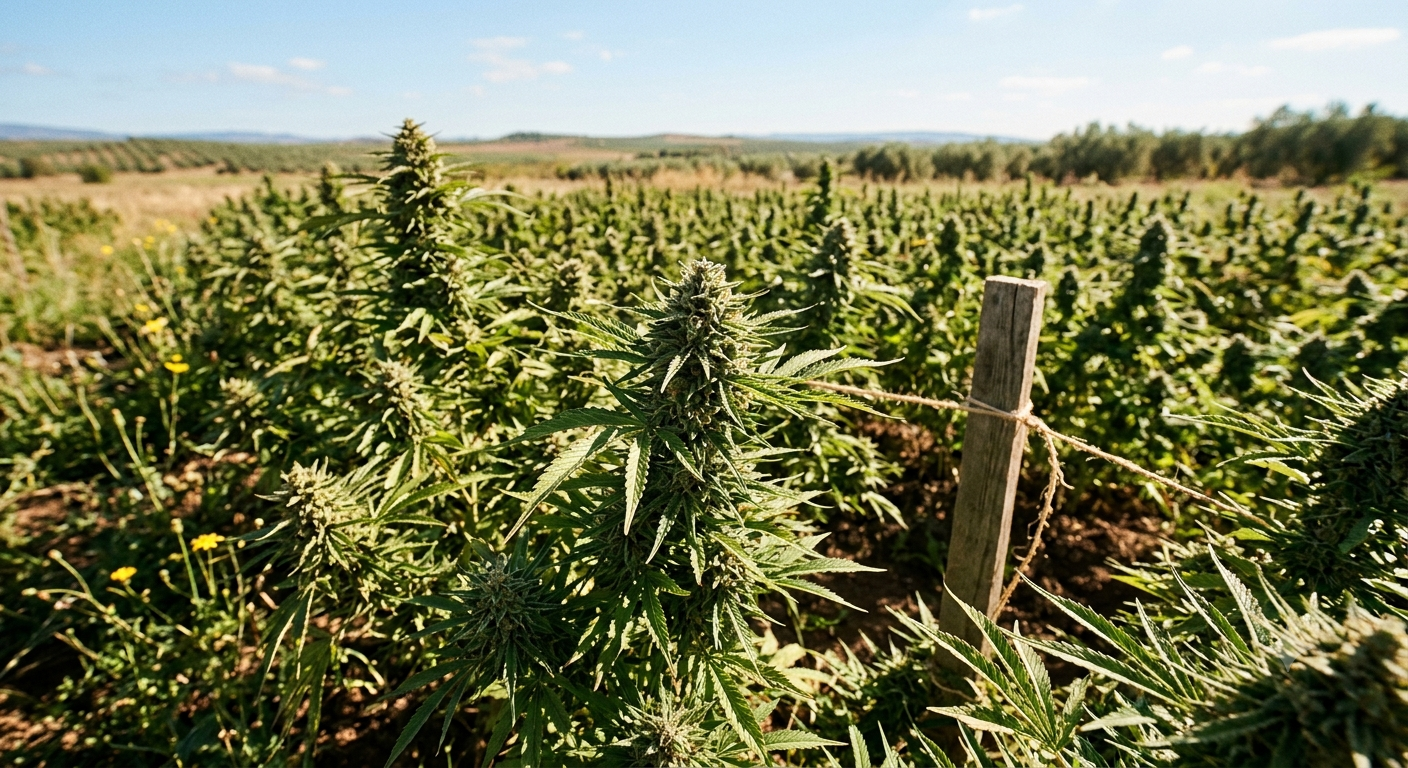
Feature photo: Outdoor cannabis plants thriving and close to harvest.