Gold Header Ad
reserve your ad hereHealthy soil is the foundation of every successful garden, and one of the easiest ways to improve it is by using worm castings. Often referred to as “black gold” by gardeners, worm castings are packed with organic nutrients, beneficial microbes, and natural compounds that help plants thrive.
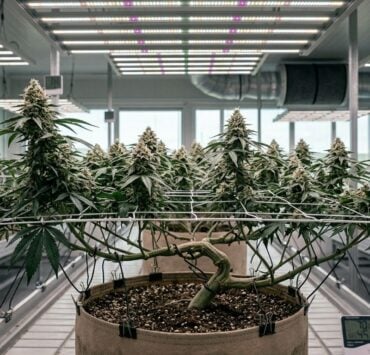
Whether you’re growing vegetables, herbs, flowers, or Cannabis, adding worm castings to your growing medium can improve soil structure, boost plant health, and encourage stronger growth throughout the season.
In this article, I will explain what worm castings are, why they’re so valuable, how to start your own worm farm, and the different ways you can use them in your garden when growing world class organic cannabis!
What Are Worm Castings?
Worm castings are the nutrient-rich waste produced by earthworms after they digest organic matter. As worms consume compost, leaves, and food scraps, they break the material down into a highly available natural fertiliser. During this process, beneficial microorganisms multiply, creating one of the richest organic soil amendments available.
High-quality worm castings are naturally rich in:
- Nitrogen (N)
- Phosphorus (P)
- Potassium (K)
- Calcium
- Magnesium
- Trace minerals
- Beneficial bacteria
- Microorganisms and fungi
Good-quality worm castings should be:
- Dark brown or black in colour.
- Soft and crumbly in texture.
- Moist but not wet.
- Pleasantly earthy in smell.
Many gardeners combine worm castings with compost, coco coir, perlite, and high-quality soil to create a nutrient-rich growing medium.
Why Use Worm Castings?
Worm castings offer far more than just plant nutrition. They improve the entire soil ecosystem, helping plants absorb nutrients more efficiently while encouraging healthy root development. The supply photoperiod and autoflowering cannabis plants with slow release nutrients and super charge soil microbiology.
Some of the biggest benefits include:
- Naturally slow-release nutrients.
- Improved soil structure.
- Better moisture retention.
- Increased soil aeration.
- Healthier root development.
- Millions of beneficial microorganisms.
- Improved nutrient availability.
- Stronger, healthier plant growth.
- Reduced need for synthetic fertilisers.
- Safe to use on seedlings and mature plants.
Unlike many fertilisers, worm castings are gentle enough that they won’t burn plant roots, making them suitable throughout the growing cycle.
How Earthworms Improve Soil for Growing Cannabis
Earthworms do much more than produce castings. As they move through the soil, they naturally improve its structure by creating small tunnels that allow air, water, and roots to move more freely.
Their activity helps:
- Increase oxygen around plant roots.
- Improve drainage.
- Reduce soil compaction.
- Encourage beneficial microbial life.
- Speed up the breakdown of organic matter.
Healthy soil filled with earthworms is often one of the best indicators of a thriving garden.
Starting Your Own Worm Farm
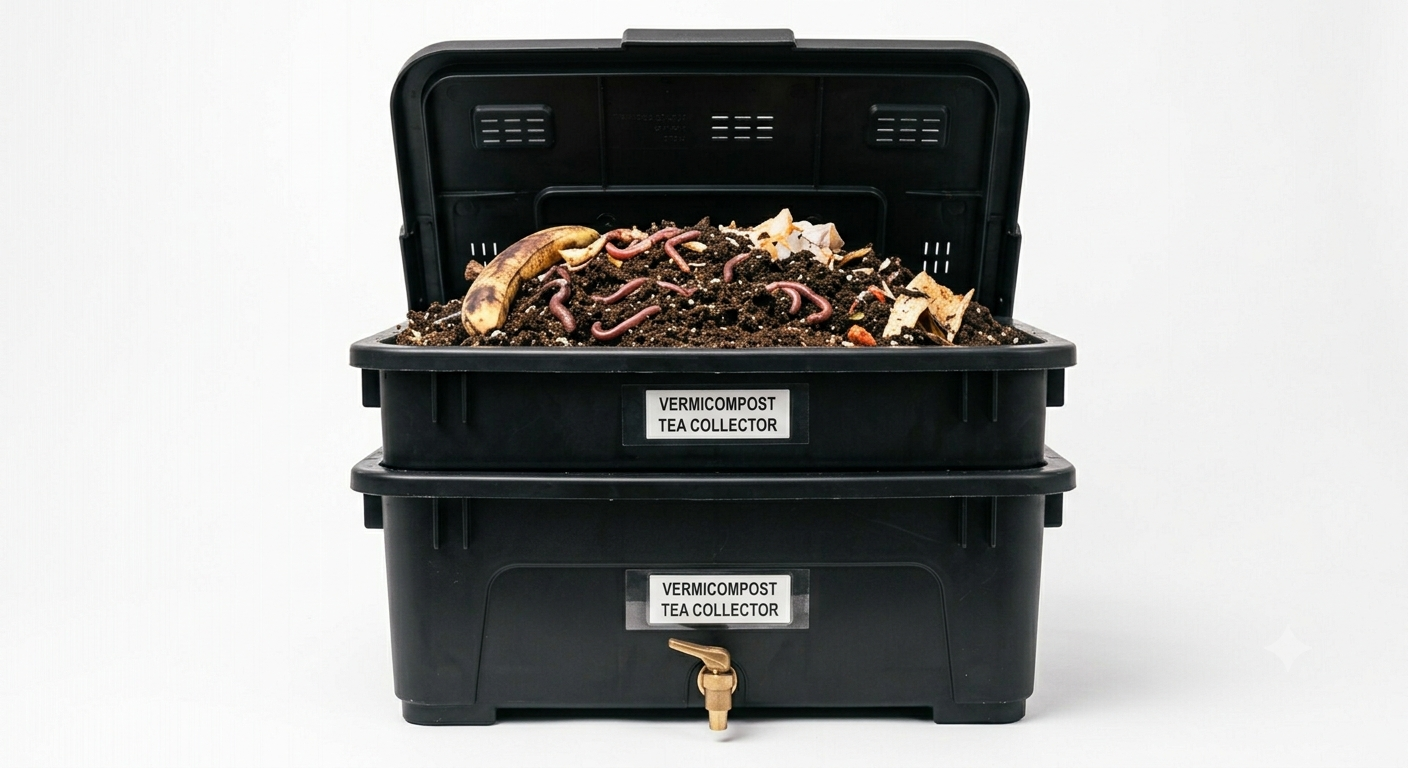
Producing your own worm castings at home is inexpensive, environmentally friendly, and surprisingly easy. A simple worm bin allows you to recycle household food waste while creating a continuous supply of organic fertiliser. The two most popular composting worms are:
- Eisenia fetida (Red Wiggler)
- Lumbricus rubellus
Worm bins require:
- A ventilated composting container.
- Moist bedding material.
- Shade and moderate temperatures.
- Regular feeding with kitchen scraps.
What Can You Feed Composting Worms?
Worms thrive on a variety of plant-based kitchen waste.
Suitable food includes:

- Fruit peels and cores.
- Vegetable scraps.
- Coffee grounds.
- Coffee filters.
- Tea bags.
- Crushed eggshells.
- Leafy greens.
- Shredded paper and cardboard.
Avoid feeding worms:
- Meat.
- Dairy products.
- Oily foods.
- Large amounts of citrus.
- Salty or heavily processed foods.
Feeding the right materials produces healthier worms and higher-quality worm castings.
Adding Worm Castings to Your Soil
One of the simplest ways to use worm castings is by mixing them directly into your growing medium. Gardeners who recycle their soil between growing seasons often blend worm castings into older soil to replenish nutrients and encourage microbial activity.
A common organic soil blend may include:
- Existing potting soil.
- Worm castings.
- Compost.
- Perlite.
- Coco coir.
This combination creates a well-balanced growing medium with excellent drainage, aeration, and long-lasting fertility.
Why Gardeners Love Worm Castings
Worm castings continue to grow in popularity because they improve both plant health and soil quality without relying on synthetic fertilisers.
Some of the biggest advantages include:
- Completely natural and organic.
- Easy to produce at home.
- Environmentally friendly.
- Recycles kitchen waste.
- Improves soil year after year.
- Supports beneficial soil life.
- Suitable for almost every type of plant.
Whether you’re growing in containers, raised beds, or large outdoor gardens, worm castings are one of the safest and most effective soil amendments available, and a cheap and effective eway to produce rich organic nutrients.
Gold Scrolling Footer Ad
reserve your ad here