Gold Header Ad
reserve your ad hereGold Header Ad
reserve your ad herePlatinum Header Ad
reserve your ad hereProducing top-shelf cannabis indoors doesn’t happen overnight. Even experienced growers can take years to consistently dial in high-grade results. For beginners, understanding the key components of an indoor grow room before getting started can fast-track success and prevent costly mistakes.
In this article, I will break down the most important factors that influence plant health, bud density, flavor, and final yield. By fine-tuning each element, you’ll be setting yourself up to hit the ground running and produce premium indoor flowers.
Perfecting Humidity Levels
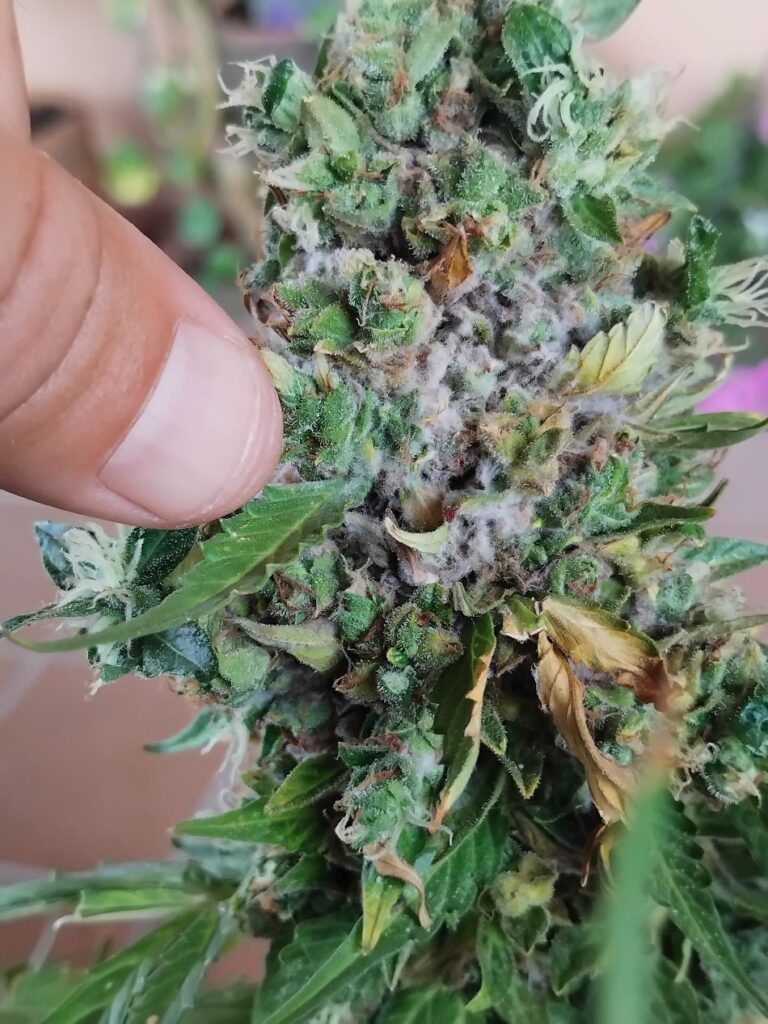
Large, dense buds naturally increase the risk of mold, especially when humidity is high. Moisture management is critical, particularly during flowering. Humidifiers add moisture to dry environments, while dehumidifiers remove excess moisture when levels become too high. Proper humidity control protects bud structure, aroma, and overall harvest quality. Small humidifiers and fans solve most dry-air issues.
Checking pH, EC Correctly Using Digital Pens
Balanced nutrition is key to strong growth and healthy flowers. pH and EC levels must stay within the optimal range for your chosen growing method. Organic systems prefer pH 5.5–7.0; hydroponics 5.5–6.5. Using digital pH and EC meters every time you mix nutrients ensures accurate feeding and prevents deficiencies or nutrient burn. Digital meters provide fast, reliable readings.
Fresh Air Is Essential
Constant air movement is essential for healthy growth and strong flower production. Fresh air supplies carbon dioxide, strengthens stems, and helps regulate temperature and humidity. An ideal grow room feels fresh and slightly warm, with hot air being extracted while cooler air circulates around the plants. Multiple oscillating fans placed at different heights work far better than a single large fan.
Perfecting the Trim
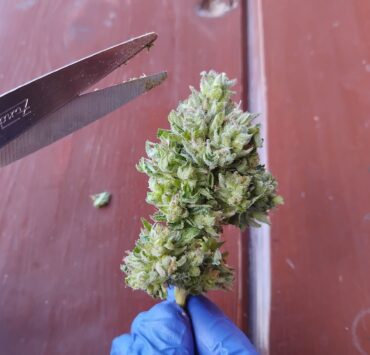
Trimming defines bag appeal. Clean, tight buds stand out, while rushed trimming leaves flowers looking scruffy. Take pride in this stage, careful trimming not only improves appearance but also allows you to collect trim for hash or concentrates. Small, sharp scissors give the cleanest finish, and always make sure your scissors are clean and sterile.
Post-Harvest Curing
Once dried and trimmed, curing is the final step. Proper curing preserves potency, enhances flavor, and extends shelf life. Store buds in airtight jars, opening them briefly each day to release moisture. Over time, cured buds develop smoother smoke and deeper aromas. Label jars with strain name and curing date as a reference and to avoid mixing the strains up.
Auto Seeds recommends placing them in glass jars, fill them about ¾ full to allow for air exchange. The ideal temperature is about 70°F (21°C), and the ideal relative humidity is around 60-65%. Keep the jars in a cool, dark place.
A Strong Root Zone
While the canopy gets most of the attention, root health determines how well a plant performs. Weak or infected roots often lead to stunted growth and disappointing yields. Healthy roots should be bright white, fuzzy, and well-branched. Brown or yellow roots signal potential pathogens and require immediate attention. Beneficial microbes and fungi dramatically increase root mass. Enzymes break down organic waste and keep roots clean.
Environmental Control and Monitoring
Cannabis thrives in stable conditions. Ideally, daytime temperatures should hover around 24°C, with a drop of 4–6°C when lights turn off. This puts nighttime temperatures in the 18–20°C range. Temperature consistency plays a major role in growth rate, resin production, and overall plant health. Both cold stress and excessive heat will reduce yield and quality.
Growth slows dramatically below 16°C, so adding a heater can easily correct cold grow rooms. Temperature controllers can automate fans, heaters, and humidifiers, and remember that without CO₂ supplementation, there’s no need to exceed 24°C.
Supplement with Carbon Dioxide (CO₂)
Outdoor CO₂ levels average around 400 ppm, however cannabis rapidly consumes CO₂ under high light intensity. CO₂ supplementation can significantly increase bud size and yield when done correctly. Indoor grow rooms can safely run between 1000–1500 ppm during both vegetative and flowering stages.
CO₂ should be introduced 60 minutes after lights turn on. High CO₂ combined with excess heat and humidity increases the risk of mold and mildew, so environmental control is critical.
Drying The Buds Out
Harvesting and drying is just as important as growing. Rushing this stage can ruin even the best genetics. The ideal drying environment is spacious, dark, and climate-controlled. Aim for 15°C and 50% relative humidity, allowing buds to dry slowly over 10–14 days for optimal flavor and burn quality.
The best advice I can give you is to never blow fans directly on hanging plants. This will cause your buds to dry too quickly and ruin the flavor profile. Properly dried buds will make a clear audable snap once they are dry and ready to be cured.
Organic Aerated Tea
For soil and organic growers, compost tea is a powerful tool. These teas are made by aerating organic materials such as worm castings or compost in water for 24 hours. The result is a nutrient-rich, microbe-dense solution that boosts soil life, improves nutrient availability, and enhances terpene expression. Different teas are used for vegetative and flowering stages. Compost teas regenerate and refresh old soil whilst flavor and aroma improve noticeably with regular use.
The Right Grow Light
“Right lighting” doesn’t mean chasing the newest or most expensive technology. What matters most is light intensity and quality. High-intensity systems such as high-pressure sodium (HPS), metal halide (MH), and reputable LED fixtures deliver the results needed for dense, resinous buds. Low-powered LEDs and CFLs simply don’t provide enough penetration or energy for flowering plants. For best results, aim for lighting systems delivering 600 watts or more.
Flushing All The Nutrients Out
Flushing removes excess nutrients from the growing medium and encourages plants to consume stored reserves before harvesting . When done correctly, it improves flavor and smoothness. A 14-day flush using plain water or enzymes allows the plant to naturally fade and express vibrant colors.
When flushing it is a good idea to use enzymes, due to the fact that enzymes speed up nutrient breakdown during flushing. During a 14 day flush, expect color changes including yellow, purple, pink, and red indicating the plant has used up all of the available nutrients in the soil.
Optimal Extraction and Ventilation
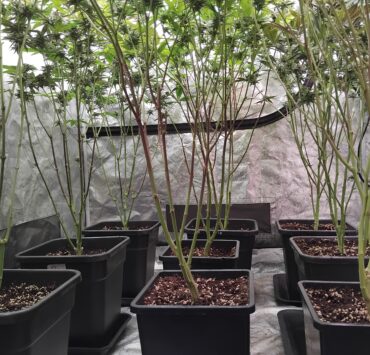
Extraction systems remove stale air and regulate the grow room environment. Whether you’re working in a small cupboard or a large tent, effective air exchange is non-negotiable. Consistent extraction stabilizes temperature and humidity while improving bud quality. Poor airflow leads to heat buildup, excess moisture, and carbon filters that underperform.
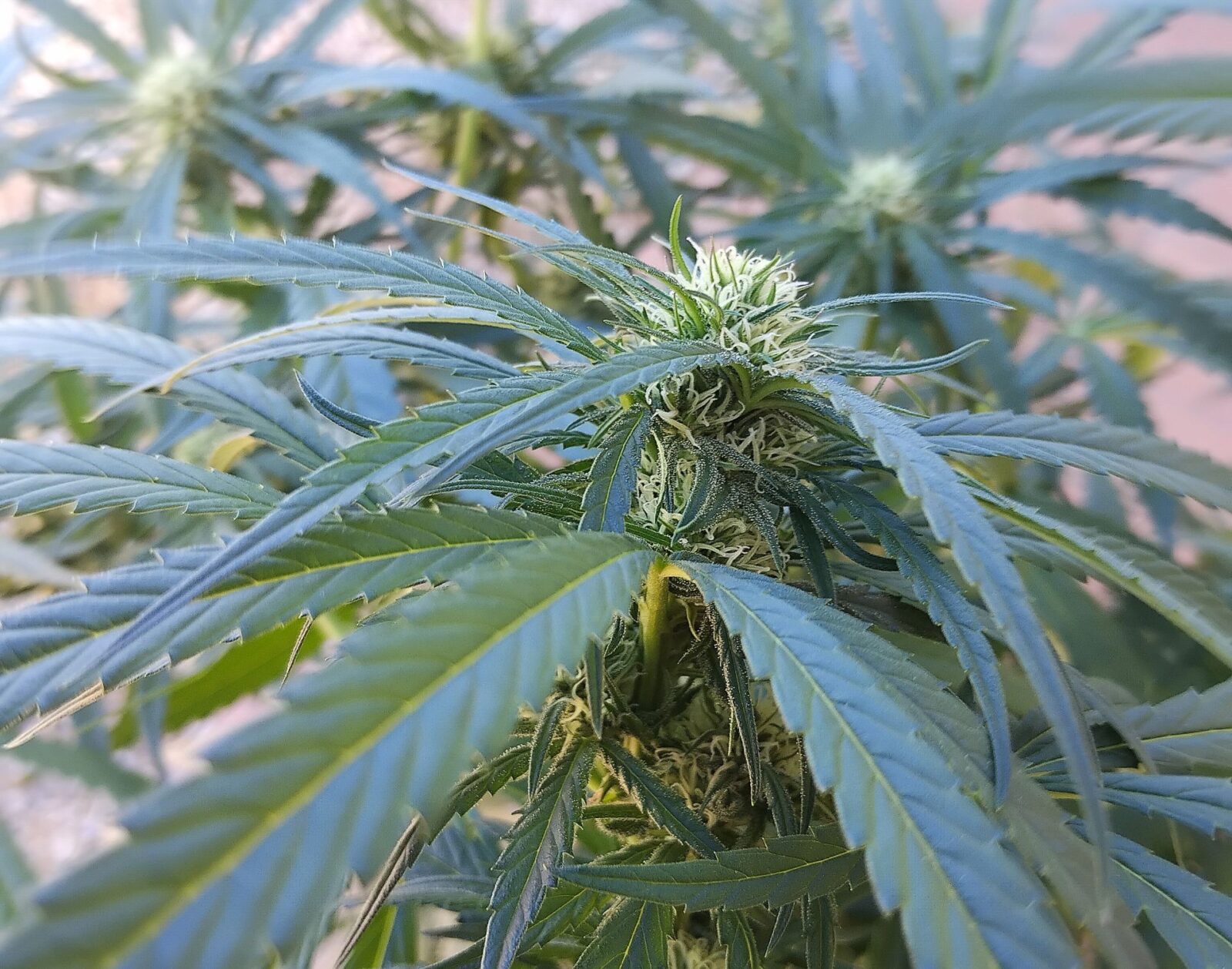
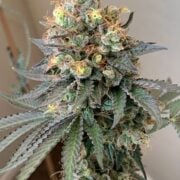
Feature photo: A healthy cannabis plant that is in week 4 of 12/12. Photo credit: Stoney Tark.
Gold Scrolling Footer Ad
reserve your ad here