Gold Header Ad
reserve your ad hereCannabis plants rely on phosphorus to transport and store energy. It helps convert sugars and starches into usable energy while supporting nutrient movement throughout the plant. We all know that cannabis plants require N, P, and K for growth and development, but is phosphorus important for cannabis plants and why?
In this article, I will break down all you need to know about the relationship between cannabis plants and phosphorus. Covering how plants use it, when they require it at different stages of growth, the importance of healthy soil biology and phosphorus uptake, signs your plants are phosphorus-deficient, and my top tips to consider.
How Cannabis Plants Absorb Phosphorus
Unlike nitrogen, which is readily available in the atmosphere, phosphorus must be absorbed through the root zone. You can provide phosphorus for your plants either organically or using synthetic chemical nutrients.
- Absorbed through root hairs and root cells
- Assisted by mycorrhizal fungi and beneficial microbes
- Stored in roots or immediately used by the plant
- Converted into usable forms by bacteria and fungi
When Do Cannabis Plants Need Phosphorus?
Many growers assume phosphorus is only important during flowering, but cannabis plants benefit from phosphorus throughout their entire life cycle. From the time they first produce a tap root until the final weeks of flower production, phosphorus is a key element required from veg until bloom. Below explains how cannabis plants use phosphorus during 18/6 and 12/12.
During Seedling and Vegetative Growth (18/6)
- Encourages root establishment
- Supports early plant vigor
- Helps develop strong stems and healthy growth
During Flowering (12/12)
- Increases flower production
- Assists with resin and terpene development
- Supports nutrient movement to developing buds
What Are the Main Functions of Phosphorus for Cannabis Plants?
You would be amazed at how important phosphorus is for cannabis plants. It is used in large quantities for growth and development. Below covers the main functions of phosphorus.
- Supports healthy root growth
- Encourages flower and bud development
- Assists with nutrient transport
- Helps transfer plant energy
- Aids in photosynthesis and metabolic processes
- Strengthens overall plant structure and vigor
The Role of Mycorrhizal Fungi and Soil Biology
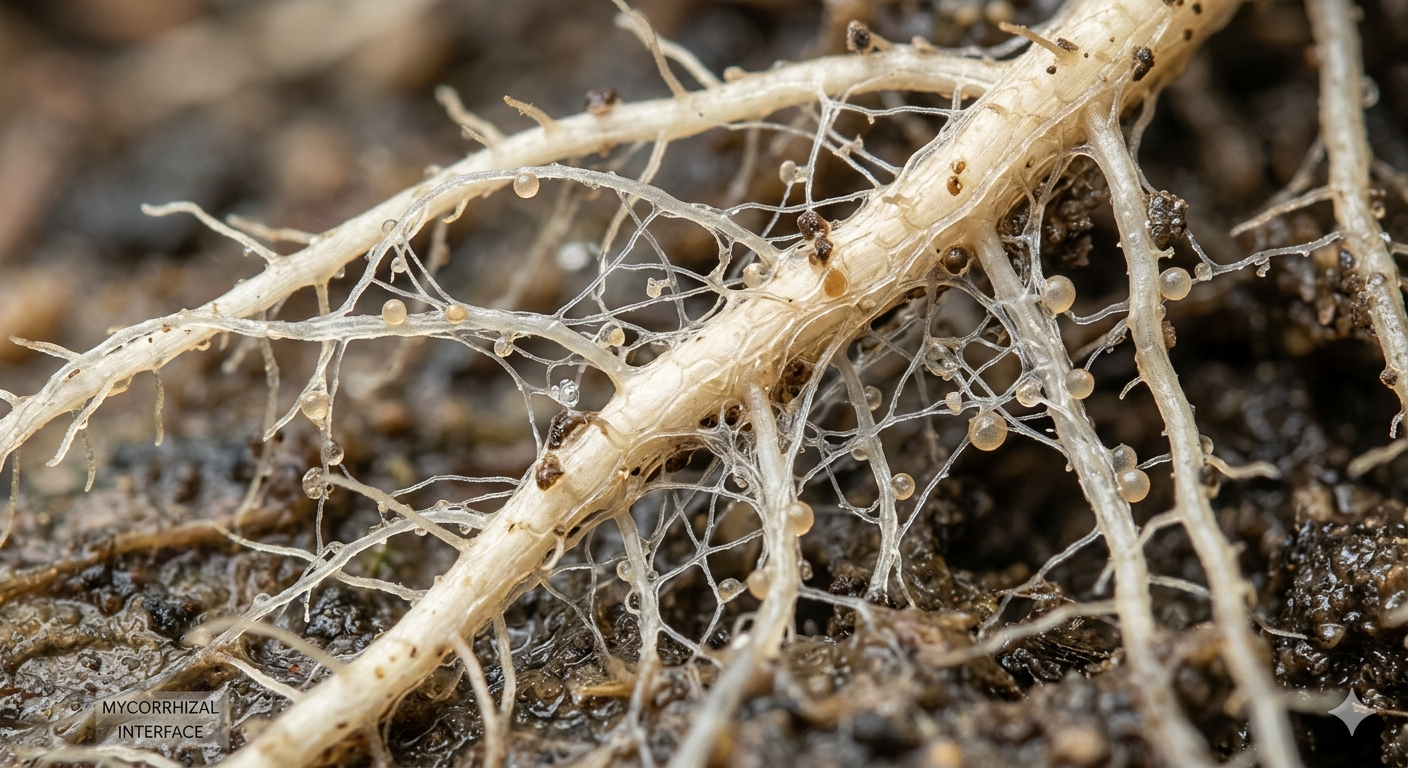
Healthy soil biology plays a huge role in phosphorus availability. Beneficial fungi create a symbiotic relationship with cannabis roots, helping plants access phosphorus more efficiently.
These fungi extend microscopic networks through the soil, increasing nutrient absorption and improving plant health. Microorganisms and fungi work together to recycle nutrients naturally, especially during flowering when cannabis plants require more energy.
- Fungi expand the plant’s root absorption zone
- Converts unavailable nutrients into plant-available forms
- Improves phosphorus efficiency
- Enhances resistance to stress and disease
- Supports stronger root mass development
The Different Phosphorus Sources
As growers, there are ways to boost phosphorus levels in the growing medium, and the easiest way is to use organic inputs. Whilst many growers only increase phosphorus during peak flower production.
Common Organic Phosphorus Sources
- Bat guano
- Compost
- Plant-based compost teas
- Bone meal
- Rock phosphate
Benefits of Organic Phosphorus
- Improves soil biology
- Encourages microbial activity
- Slow-release nutrient availability
- Enhances long-term soil health
Bat guano is one of the most common organic phosphorus sources and often contains an N-P-K ratio around 0-10-0. When used in aerated compost teas, it can introduce billions of beneficial microbes into the soil ecosystem. It is also popular for enhancing the terpene profile and flavor. It is commonly added to make aerated compost teas for the flowering stage.
Characteristics of Chemical Phosphorus
- Delivered in liquid nutrient solutions
- Immediately available to plants
- Commonly used in hydroponics
- Allows precise nutrient control
Signs of Phosphorus Deficiency in Cannabis
We often associate phosphorus use with the flowering period; however, it is an essential element during the entire lifecycle. If you are new to growing cannabis, you may not be fully aware of what a phosphorus deficiency looks like. The following explains the cannabis leaf symptoms and signs of a plant that needs more phosphorus.
- Slow or stunted growth
- Weak root development
- Dark green or purple leaves
- Small flowers and poor bud formation
- Lower leaf discoloration
Top Tips for Improving Phosphorus Uptake

There are plenty of ways to enhance your plant’s phosphorus uptake. Below are my 5 top tips.
Tip #1: Maintain healthy soil biology
The quality of your soil plays a massive role in how your plant’s roots develop, so making sure the soil food web is thriving will improve phosphorus uptake. Use organic inputs after every harvest and aerate the soil well.
Tip #2: Use mycorrhizal inoculants
Try inoculating your soil with a bacterial brew or aerated compost tea. Doing so will supercharge the soil and enhance its resilience to pathogens and disease.
Tip #3: Monitor pH levels carefully
When growing cannabis in soil with organic liquid nutrients, it is essential to keep the pH between 6.0 and 7.0. If the pH is outside this range, your plants will suffer from nutrient lockout, and phosphorus uptake will cease until the pH is corrected.
Tip #4: Avoid overfeeding Autos
Autoflowering cannabis plants have a much shorter life cycle compared to photoperiods. Which is why giving them too much phosphorus during the first 5 weeks can cause stunted, slow growth, and short-sized autos. If you are using liquid nutrients with autos, mix only 25%-50% of the recommended ratio.
Feature photo: The roots of a cannabis plant that have been inoculated with mycorrhizal spores.