Gold Header Ad
reserve your ad hereA recent wave of headlines claims that cannabis is ineffective for treating anxiety, depression, PTSD, and other mental health conditions. These claims stem from a large systematic review published in a leading psychiatric journal, analyzing decades of randomized controlled trials.
At first glance, the conclusion sounds definitive: cannabis doesn’t work.
But that’s not actually what the research says.
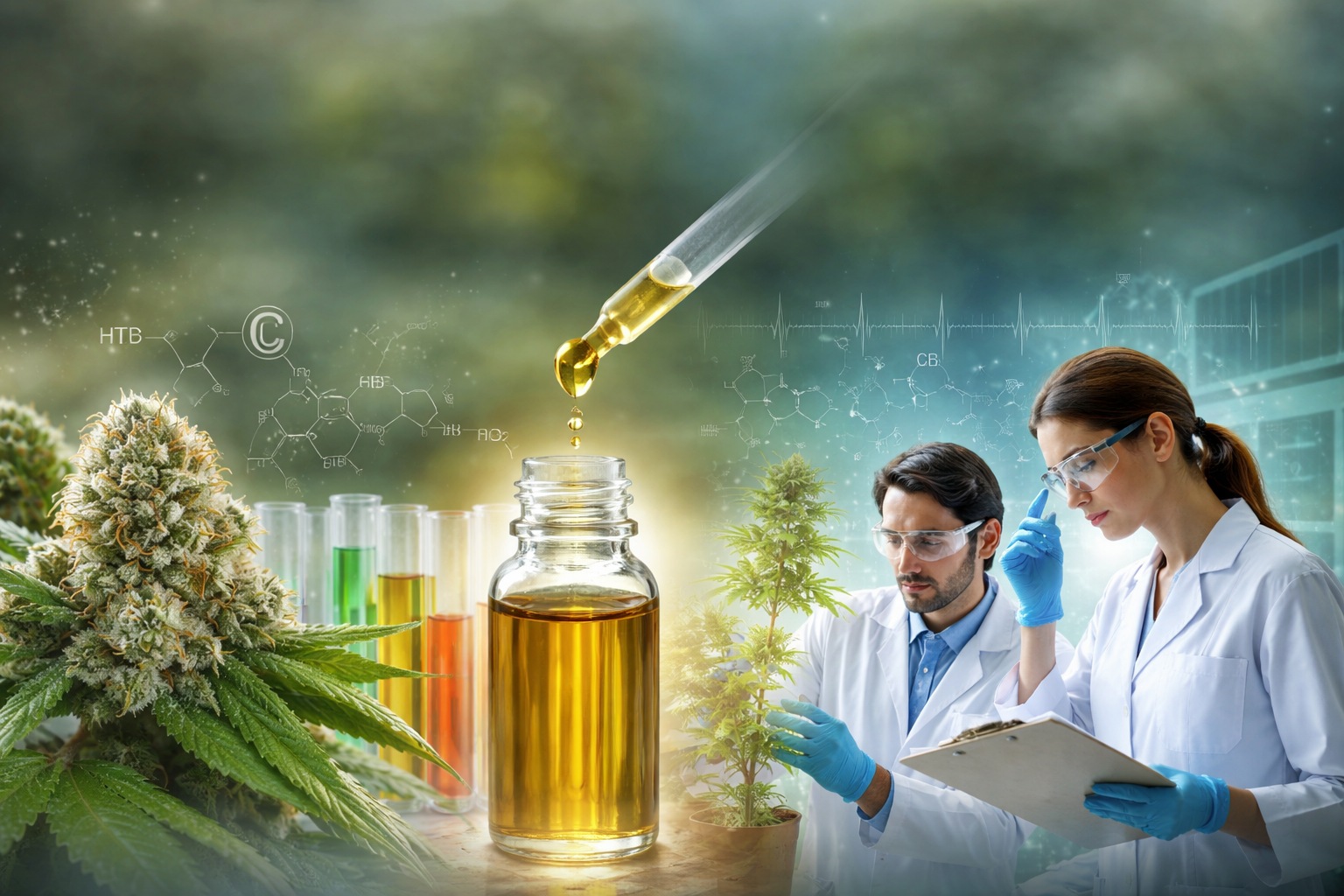
The study found no strong clinical evidence supporting the use of cannabinoid-based treatments for mental health conditions. However, the nuance lies in what was actually studied. The trials primarily focused on pharmaceutical-style cannabis products — isolated THC or CBD administered in capsules, sprays, or oils.
This is a critical limitation.
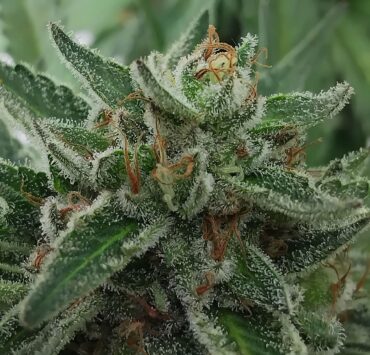
In real-world settings, patients are not typically using isolated cannabinoids in controlled doses. They are using whole-plant cannabis — often inhaled — with rich terpene profiles and personalized consumption methods. These factors are largely absent from clinical research, yet they may play a central role in therapeutic outcomes.
The concept of the “entourage effect,” which describes the synergistic interaction between cannabinoids and terpenes, remains underexplored in formal trials. As a result, much of what patients experience in practice is not being accurately reflected in the data.
Additionally, many of the studies included in the review were small, short-term, or inconsistent in dosing and formulation. This makes it difficult to draw broad conclusions about effectiveness, especially across diverse mental health conditions.
It’s also worth noting that “lack of evidence” is not the same as “evidence of no effect.” The current body of research simply does not provide strong enough proof to support clinical use — yet. That is a very different statement than declaring cannabis ineffective.
Meanwhile, patient-reported outcomes continue to suggest that cannabis may offer meaningful relief for some individuals, particularly those dealing with anxiety and PTSD. These experiences should not be dismissed — they should be studied more rigorously.
What we are seeing is not a failure of the plant, but a gap in the research.
To move forward, we need studies that reflect real-world use: whole-plant formulations, terpene profiles, varied delivery methods, and individualized dosing strategies.
Until then, conclusions about cannabis and mental health will remain incomplete.
The conversation shouldn’t be about whether cannabis works or doesn’t work.
It should be about how we study it — and whether we’re asking the right questions.
It’s also important to acknowledge the regulatory reality in the United States. Despite ongoing discussions and recommendations, cannabis remains federally restricted, and the Trump administration has not completed rescheduling.
As long as cannabis remains in Schedule 1 classification, it continues to create significant barriers for researchers — limiting funding opportunities, restricting access to study materials, and slowing the development of high-quality clinical trials.
Until these barriers are removed, science will continue to lag behind real-world use.
Follow on social media: @terpeneflashcards